

Call Us : (225) 398-8812

- Home > Blog > Sedation Dentistry > Pediatric Sedation Dentistry: What Parents Need to Know

 By Elementsdentalspa
 Jun 24, 2024
Taking your child to the dentist can be stressful, especially if they experience dental anxiety or are scared.
Sedation dentistry or pediatric sedation, offers a solution to help your child feel relaxed and comfortable during dental visits. It ensures they get the care they need without fear or discomfort.
Understanding how pediatric sedation dentistry works can ease your concerns as a parent. We’ll explain the different types of sedation, their safety, and what to expect during your child’s visit.
For more information or to schedule an appointment, contact Elements Dental Spa & Aesthetics – Baton Rouge Dentist & Aesthetics Spa today.
Understanding Sedation Dentistry for Kids
Sedation dentistry has various levels of sedation, ranging from mild to deep. Mild sedation helps children relax but stay awake during dental treatment. Moderate sedation makes them drowsy and less aware of the procedure. Deep sedation puts them in a sleep-like state.
What is Pediatric Dental Sedation?
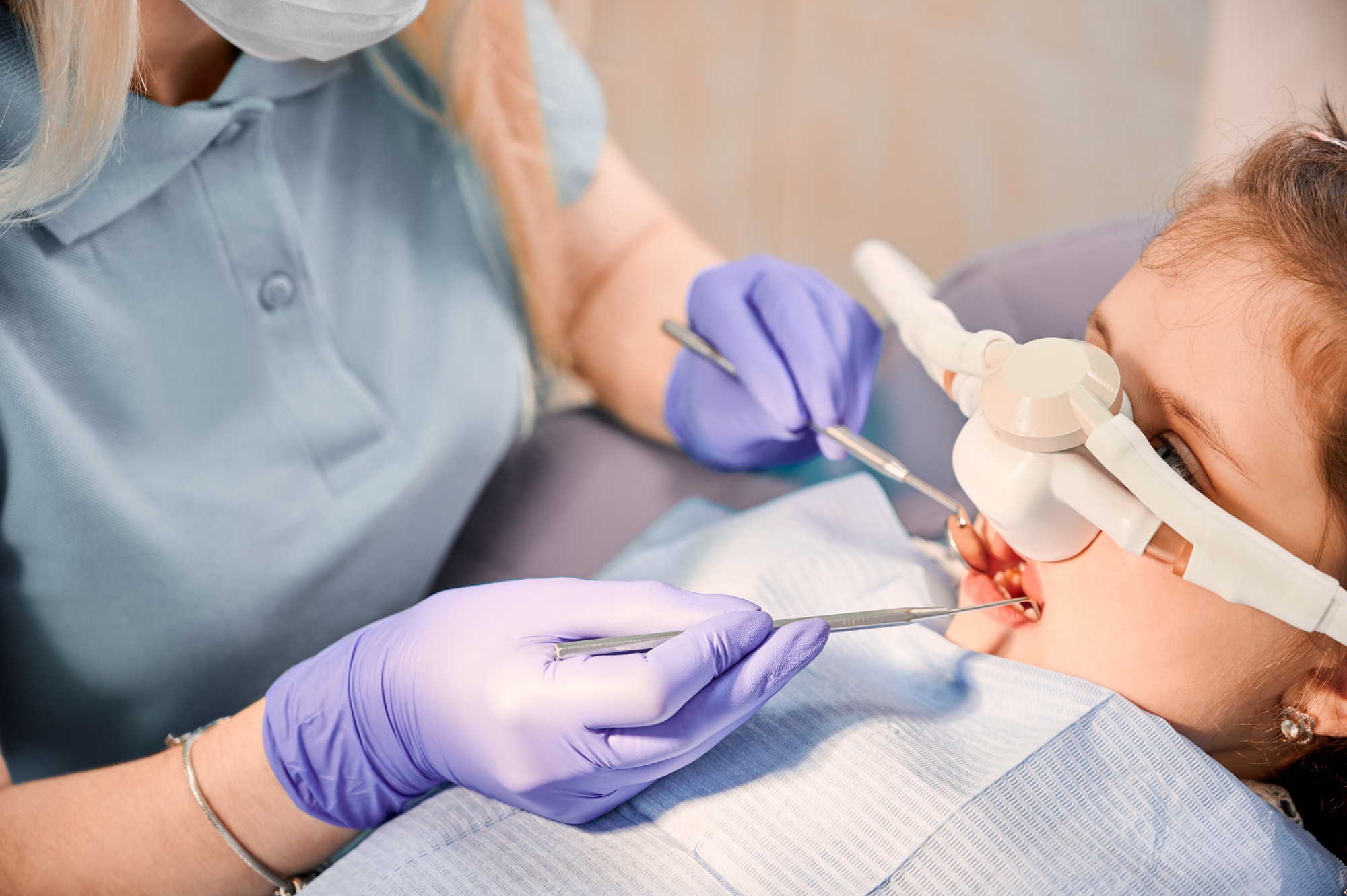 Sedation dentistry for kids is a specialized field that focuses on providing safe and effective sedation options for children undergoing dental treatments.
This approach is designed to help them feel relaxed and comfortable during dental procedures, significantly reducing anxiety and stress.
A pediatric dentist with advanced training in sedation techniques typically performs these dental procedures. Their training means the child’s safety and well-being are prioritized throughout the dental visit.
Methods to Administer Sedation
- Oral Sedation: Pills or liquids taken by mouth, suitable for mild to moderate anxiety.
- IV sedation: Administered through a vein, ideal for moderate to severe anxiety. IV sedation is particularly useful for more extensive dental work, such as oral surgery, to help the child stay calm and comfortable throughout the process.
- Inhalation sedation: Known as laughing gas, inhaled through a mask, best for mild anxiety, and works quickly.
Each type suits different ages and anxiety levels of children. Discussing your child’s individual needs and anxieties with a pediatric dentist is important in choosing the most appropriate sedation option for a positive dental experience.
A dentist can provide advice into the safest and most effective sedation methods for your child. This personalized approach helps ensure a comfortable and stress-free visit to the dentist.
Benefits of Dental Sedation for Kids
Sedation dentistry reduces fear during dental procedures, making the visit less stressful. It also allows longer procedures without interruptions, leading to fewer dental visits.
Pediatric dentistry, combined with sedation services, ensures that children receive the highest standard of care in a comfortable and stress-free environment.
Parents’ Common Concerns
Sedation dentistry is safe when performed by professionals because they follow strict guidelines and will monitor your child closely after the procedure.
Types of Sedation Options
When considering sedation dentistry for your child, it’s important to understand their options. Each type of sedation has its own benefits and applications that depend on the treatment and the level of anxiety of your child.
- Nitrous Oxide: Mild sedative that wears off quickly after the treatment. It has minimal side effects.

young one having sedation dentistry - Conscious Sedation: Helps to relax the child without inducing sleep. Common medications include midazolam and diazepam, administered orally or nasally. The child will remain responsive but calm.
- Monitored Anesthesia Care: This is between conscious sedation and general anesthesia, which involves an anesthesiologist throughout the procedure. It provides deeper sedation. A physician anesthesiologist is often present during monitored anesthesia care to ensure the highest level of safety and effectiveness.
- General Anesthesia: Used for extensive dental procedures, inducing complete unconsciousness. It requires strict pre-procedure fasting and post-procedure observation to support a smooth, closely monitored recovery.

The Role of a Pediatric Dentist in Sedation Dentistry
Pediatric sedation dentistry is a specialized dental service designed to ensure children have a safe and stress-free experience during dental treatments. It utilizes sedatives to help kids stay rela