

Call Us : (225) 398-8812

- Home > Blog > Restorative Dentistry > Why Delaying Damaged Tooth Restoration Can Cost You More
 By Elementsdentalspa
  Mar 11, 2026
Waiting to restore damaged teeth (chips, cracks, or decay) allows bacteria to enter the inner pulp, leading to severe infections, abscesses, or bone loss. Untreated damage causes worsening pain, tooth sensitivity, further structural failure, and potential tooth loss. Early treatment is crucial to avoid costly, complex procedures like root canals or extractions.
A cracked tooth, a nagging cavity, or a chip that doesn’t seem serious yet. These are the kinds of dental problems people put off. Life gets busy, the pain isn’t unbearable, and the dentist chair feels like something you can deal with later. But when it comes to damaged teeth, later almost always means worse. At Elements Dental Spa & Aesthetics, we see this every day, and we’re here to make getting care simple and stress-free.
Tooth damage does not stay the same over time. It progresses. What begins as a minor issue can quietly worsen into an infection, bone loss, or complete tooth failure, all of which require far more invasive and expensive treatment than catching it early would have.
Understanding the real cost of waiting is the first step toward making a decision that protects your health and your wallet. Contact us today to get started.
What Happens to a Damaged Tooth If You Don’t Treat It Right Away?
When a tooth is cracked, chipped, or decayed, the damage does not stay contained. Without treatment, bacteria enter through exposed surfaces and begin attacking the deeper layers of the tooth, including the pulp and nerve.
What starts as mild sensitivity often becomes intense, throbbing pain. Infections can develop fast. In severe cases, the tooth cannot be saved at all. Acting early is the single most important thing you can do to protect your smile and your wallet.
How Does Delaying Dental Restoration Affect Your Long-Term Oral Health?
Postponing treatment is one of the most common and most costly mistakes dental patients make. Here’s what happens step by step when a damaged tooth goes untreated:
 Pain intensifies: Mild discomfort from a cracked or decayed tooth escalates quickly. Hot and cold foods, sweet drinks, and biting pressure become triggers for sharp, lasting pain.
- Infection spreads: Bacteria don’t stay in one spot. A localized cavity can develop into a dental abscess, a serious infection that can spread to surrounding teeth, gum tissue, and even the jawbone.
- Bone deteriorates: When a tooth is lost due to untreated damage, the surrounding alveolar bone begins to resorb. This changes the shape of your jaw and can alter your facial appearance over time.
- Neighboring teeth shift: A missing or severely damaged tooth creates gaps. Adjacent teeth drift out of position, creating bite problems and increasing the risk of further decay.
 Pain intensifies: Mild discomfort from a cracked or decayed tooth escalates quickly. Hot and cold foods, sweet drinks, and biting pressure become triggers for sharp, lasting pain.
Early damaged tooth restoration in Baton Rouge stops this chain reaction before it starts.
What Does It Actually Cost to Wait?
Money is often why patients delay treatment. But waiting almost always makes the final bill larger, sometimes dramatically so.
| Treatment Stage | Estimated Cost |
|---|---|
| Tooth-colored filling (early decay) | $150 – $300 |
| Root canal (advanced decay/infection) | $700 – $1,500 |
| Dental crown (post root canal) | $800 – $1,500 |
| Dental implant (after tooth loss) | $3,000 – $6,000 |
A cavity caught early costs a fraction of what an implant does. Most dental insurance plans also cover preventive and early restorative dental care at a higher benefit level than complex surgical procedures, so acting quickly is almost always the smarter financial choice.
Many dental offices also offer financing and payment plan options, so out-of-pocket cost doesn’t have to be a reason to delay getting care.
What Are the Signs That Your Tooth Needs Restoration Now?
Some patients are unsure whether their tooth damage is serious enough to warrant a visit. If you notice any of the following, do not wait:
- Persistent or worsening tooth pain: Pain that lingers after eating, drinking, or brushing is a red flag. It typically signals that decay has reached the inner layers of the tooth or that the nerve is already involved.
- Visible cracks, chips, or dark spots: Even small cracks create entry points for bacteria. Chips on the biting surface weaken the tooth’s structural integrity and lead to larger fractures over time.
- Swelling or redness near the gumline: Inflammation around a tooth almost always signals infection. Left untreated, a periapical abscess can become a dental emergency requiring extraction or surgery.
- Difficulty chewing or speaking: When a damaged tooth changes how you bite or makes talking uncomfortable, that’s your body signaling that normal function has been compromised.
These signs should never be ignored. The earlier you seek care, the more treatment options are available and the less complicated the process becomes.
How Does Untreated Tooth Damage Affect Daily Life?
The impact of a damaged tooth goes well beyond the mouth. Chronic dental pain disrupts sleep, focus, and mood. It limits what you can eat, and over time, a restricted diet affects nutrition and overall health.
Many patients with untreated damage avoid smiling or speaking openly in social and professional settings. The emotional weight of an unhealthy smile is real. Research published by the American Dental Association (ADA) consistently links poor oral health to reduced self-esteem, social withdrawal, and decreased quality of life.
On the physical side, research from the American Heart Association has also established links between untreated oral infections and increased risk of cardiovascular disease. Your mouth’s health is your whole body’s health.
Why Does Waiting Make Dental Treatment More Invasive?
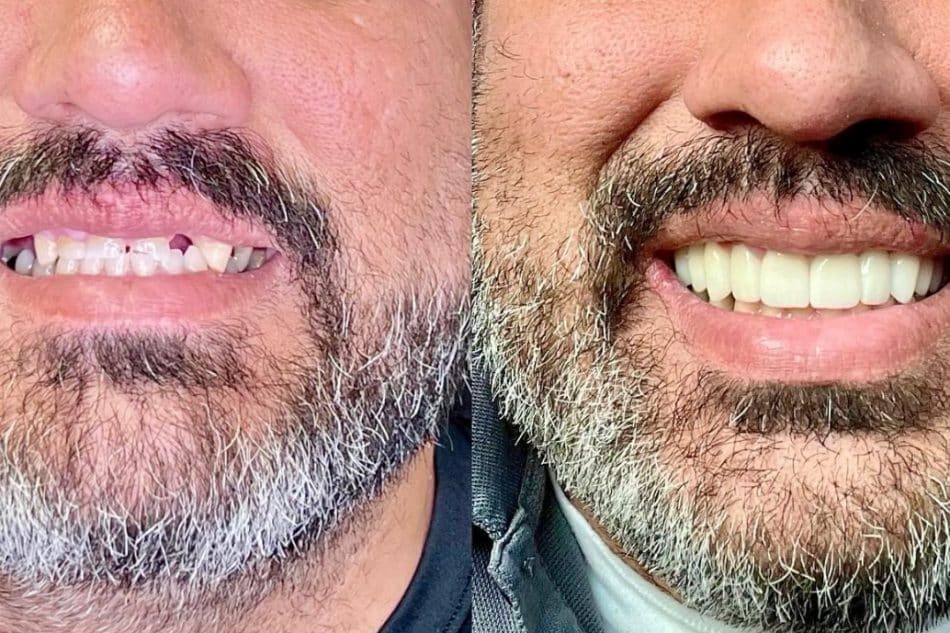
 This is one of the most important things to understand about dental damage: treatment complexity grows with time. A filling takes one appointment. A root canal takes two or three. A bone graft followed by an implant can require six months of treatment and healing.
When decay reaches the dental pulp, the soft tissue inside the tooth that contains nerves and blood vessels, a root canal becomes necessary to save the tooth. If the tooth cannot be saved, an extraction leaves a gap. Without restoration, bone loss begins within months.
Bone grafting may then be required before an implant can be placed, adding cost, healing time, and multiple surgical procedures to what began as a small cavity.
Early action removes all of that complexity from the equation.
What Should You Do If You Have a Damaged Tooth Right Now?
Don’t wait for the pain to become unbearable. Here’s what to do right away:
- Call your dentist as soon as possible: The sooner you’re seen, the more treatment options are available and the lower the cost.
- Rinse with warm salt water for temporary relief: This helps reduce inflammation and keeps the area clean until your appointment.
- Avoid chewing on the affected side: Protect the damaged tooth from additional pressure.
- Don’t ignore swelling: Facial swelling near a damaged tooth is a sign of infection and may require urgent care.
A Healthy Smile Starts Today.
A damaged tooth is not something to push to the back of your mind. The longer you wait, the more your options narrow and the higher the cost climbs. Whether you have a small chip, a nagging ache, or visible decay, getting evaluated early is always the right call. Small problems caught today stay small. Ignored, they rarely do.
We welcome patients of all ages at Elements Dental Spa & Aesthetics and make it easy to get seen quickly. Our team listens, explains clearly, and builds a care plan that fits your needs and your schedule.
Call us at (225) 398-8812 or schedule online. Same-day and virtual consultations are available.
Frequently Asked Questions
You should contact a dentist within 24 to 48 hours of noticing a crack or chip. Even if there is no pain, a damaged tooth is vulnerable to bacteria and fracture. Early treatment by a restorative dentist protects the tooth structure and prevents infection.
No. Unlike bone, tooth enamel does not regenerate. A crack, chip, or cavity will not improve without professional dental intervention. Without treatment, bacteria continue to break down the tooth, leading to deeper decay, nerve damage, or tooth loss.
The most common treatment is a tooth-colored composite filling, used for mild to moderate decay or small chips. For more significant damage, a dental crown may be used to restore the tooth’s shape and strength. Severely damaged or infected teeth may require a root canal or extraction followed by an implant.
Most dental insurance plans cover restorative procedures such as fillings and crowns at least partially. Coverage varies by plan, but early treatment is almost always covered at a higher rate than complex surgeries. Patients without insurance can explore CareCredit financing and in-office payment plans.
Composite fillings typically last 5 to 10 years with good oral hygiene. Porcelain crowns can last 15 years or more. Dental implants are the longest-lasting option and can last a lifetime with proper care. The longevity of any restoration depends on daily brushing, flossing, and regular checkups.
A toothache that persists is almost never harmless. It signals decay, nerve involvement, or infection. Ignoring it allows the underlying problem to progress, often leading to an abscess, tooth loss, or the need for surgical intervention. Early treatment is always less invasive and less expensive.
Yes. Many Baton Rouge dental practices offer emergency dental consultations, including virtual options, so you can connect with a dentist quickly regardless of when damage occurs. Contact your dental provider as soon as possible if you are experiencing pain, swelling, or visible tooth damage.

