

Call Us : (225) 398-8812

- Home > Blog > Emergency Dentistry > How to Get Rid of Swollen Face From Tooth Infection
 By Elementsdentalspa
  Apr 29, 2026
To get rid of a swollen face from a tooth infection, you must see a dentist immediately for treatment like a root canal or tooth extraction, as the swelling indicates a spreading infection. Reduce swelling immediately using a cold compress (15-minute intervals) and take over-the-counter anti-inflammatories like ibuprofen.
A swollen face from a tooth infection is a dental problem that gets worse the longer it goes untreated. What starts as a dull ache can turn into visible facial swelling, throbbing pain, and in serious cases, a life-threatening spread of odontogenic infection to the jaw, neck, or airway. The swelling is your body’s inflammatory response to a dental abscess, a pocket of bacteria and pus with nowhere to go.
At Elements Dental Spa & Aesthetics, our Baton Rouge dental team brings over 75 years of combined clinical experience to every appointment and has served the community for more than 30 years. If your face is swollen from a tooth infection, do not wait.
Call us at (225) 398-8812 to be seen as quickly as possible.
What Causes a Swollen Face From a Tooth Infection?
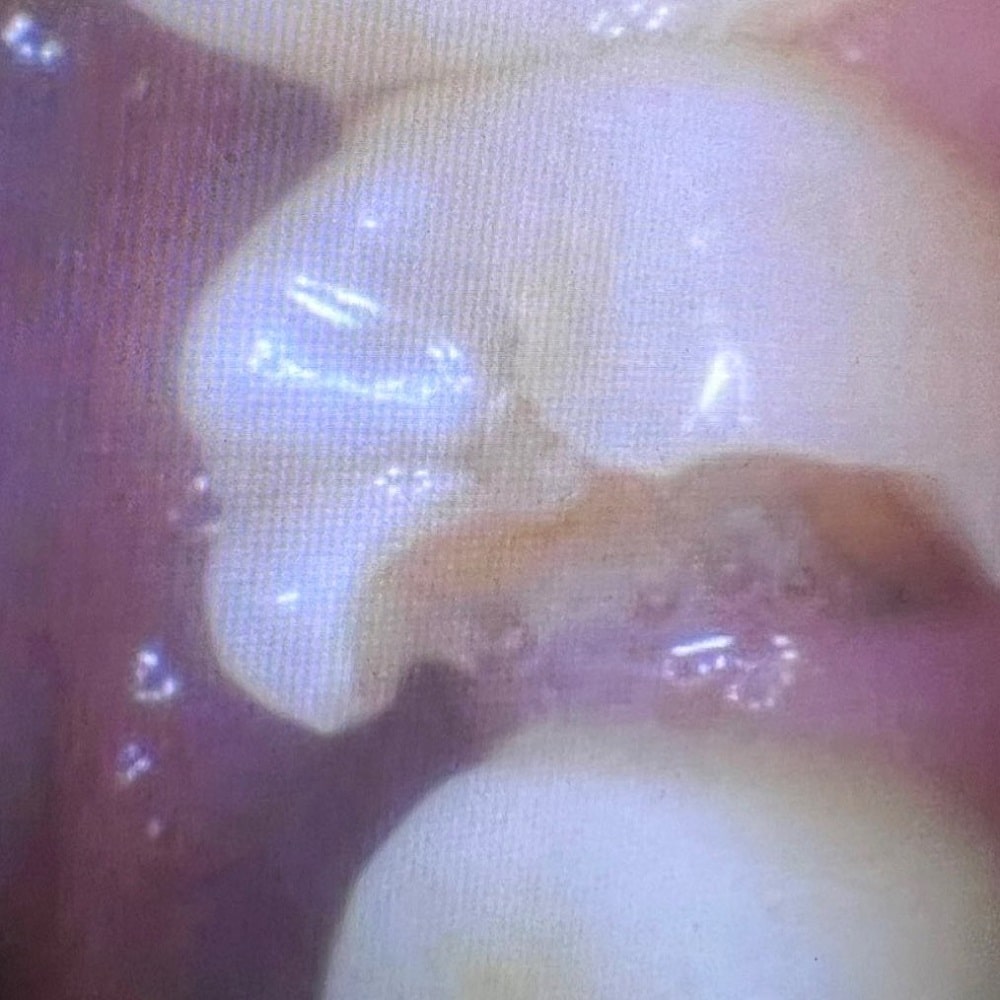
Facial swelling from a tooth infection is caused by a dental abscess, an odontogenic infection that forms a pocket of pus when bacteria invade the tooth pulp, root tip, or surrounding gum tissue. The body’s inflammatory response sends white blood cells to fight the bacteria, and that localized swelling spreads outward to the face, jaw, or cheek.
There are two main abscess types. A periapical abscess forms at the root apex, usually from untreated tooth decay or a cracked tooth that exposes the pulp to bacteria. A periodontal abscess develops in the gum tissue alongside the tooth, often as a complication of gum disease.
Both types produce pain, swelling, and pressure. Without treatment, the infection does not stay contained. It spreads.
How Do You Reduce Swelling From a Tooth Infection at Home?
Home remedies can temporarily reduce discomfort and slow inflammation from a tooth infection, but they cannot eliminate the abscess or stop the bacterial infection at its source. The only way to fully resolve a swollen face from a tooth infection is professional dental treatment.
That said, these steps can help manage symptoms while you wait for your appointment:
- Cold compress: Apply a cold pack or bag of ice wrapped in a cloth to the outside of your cheek for 20 minutes on, 20 minutes off. Cold reduces swelling and numbs pain.
- Ibuprofen: Over-the-counter ibuprofen (an NSAID) reduces both pain and inflammation. Follow the label dosage instructions. Do not exceed the recommended amount.
- Salt water rinse: Dissolve half a teaspoon of salt in eight ounces of warm water. Swish gently for 30 seconds and spit. This helps reduce bacteria in the mouth and soothes gum tissue.
- Head raised while sleeping: Propping your head up with an extra pillow reduces blood pressure around the infected area and can lessen throbbing pain overnight.
Do not apply heat to a swollen jaw or cheek. Heat encourages blood flow to the area and can worsen swelling and spread infection faster.
When Is a Swollen Face From a Tooth Infection a Dental Emergency?
A swollen face from a tooth infection becomes a medical emergency when swelling spreads beyond the jaw or cheek toward the neck, floor of the mouth, or eye. This type of spreading infection can obstruct the airway and become life-threatening within hours. The American Dental Association advises treating any spreading dental infection as a medical emergency.
| Warning Sign | Action |
|---|---|
| Swelling toward neck or under chin | Call 911 or go to the ER |
| Difficulty breathing or swallowing | Call 911 immediately |
| Fever above 101°F | Go to the ER |
| Rapid facial swelling over a few hours | Call 911 or go to the ER |
| Trismus (inability to open mouth fully) | Call 911 or go to the ER |
| Feeling faint, confused, or extremely ill | Call 911 immediately |
A condition called Ludwig’s angina, a rapidly spreading cellulitis involving the submandibular, sublingual, and submental spaces, can close off the airway without warning. It most commonly originates from an untreated dental abscess and spreads along fascial planes into the floor of the mouth and neck.
For swelling that is painful but not spreading, emergency dental care in Baton Rouge is the right next step rather than the ER.
How Do Dentists Treat a Swollen Face From a Tooth Infection?
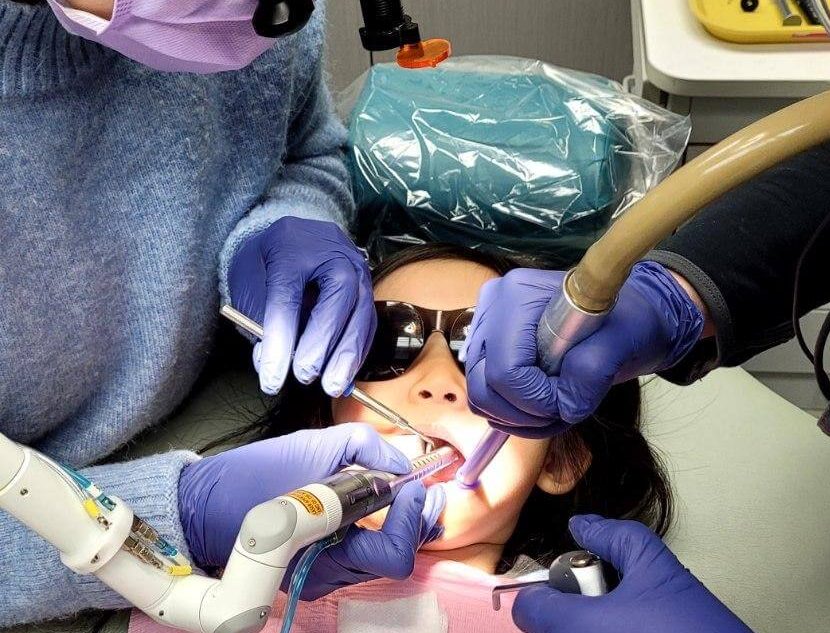
Dentists treat a swollen face from a tooth infection by addressing the source of the infection directly, not just the symptoms. Treatment typically involves draining the abscess, eliminating infected tissue through a root canal or extraction, and prescribing antibiotics to prevent the spread of bacteria.
Here is what professional treatment typically involves:
Root Canal Treatment
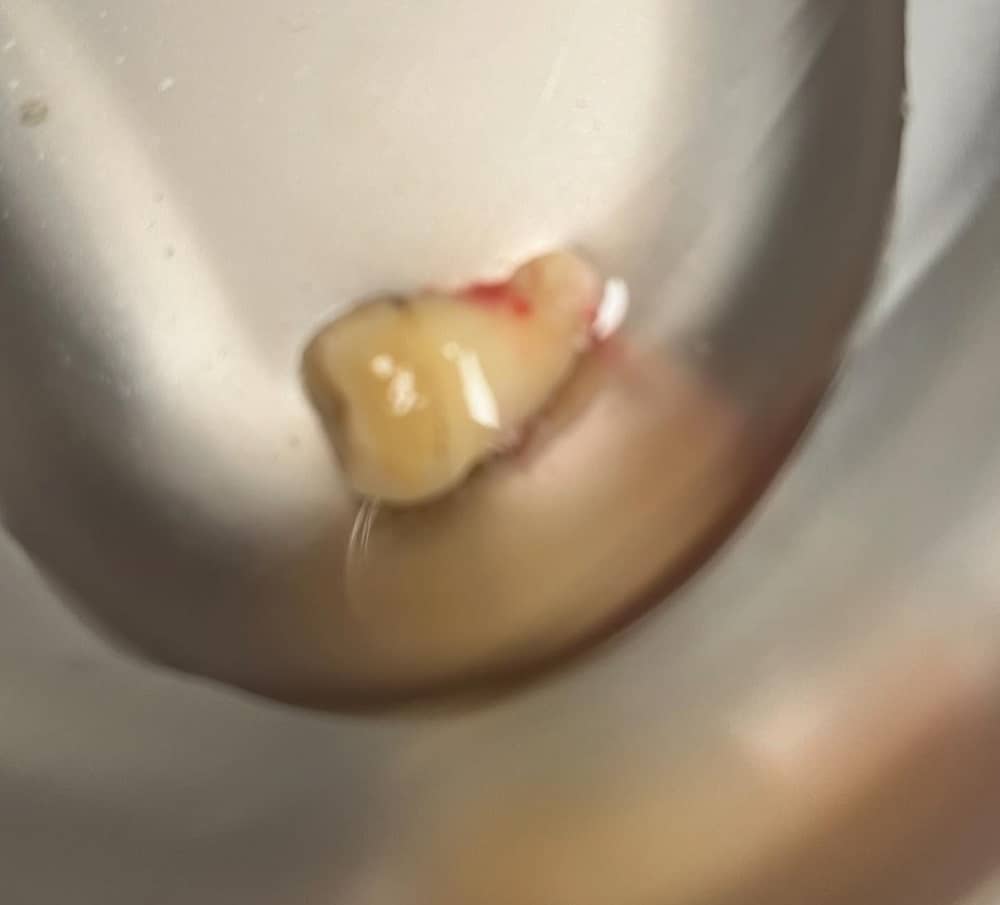 If the tooth can be saved, a root canal treatment removes the infected pulp through pulp debridement, cleans and disinfects the root canals, and seals the tooth to prevent reinfection. A crown is typically placed afterward to restore strength. Swelling begins to go down within a few days of successful treatment.
Tooth Extraction
When a tooth is too severely damaged to save, a tooth extraction removes the infection source entirely. Draining the abscess at the time of extraction allows swelling to begin resolving quickly.
Antibiotic Therapy
Antibiotics are prescribed alongside dental treatment to reduce bacterial spread and control infection in surrounding tissue. Antibiotics alone will not resolve a dental abscess. They manage the spread, not the cause.
How Long Does It Take for Tooth Infection Swelling to Go Down?
Tooth infection swelling typically begins to decrease within two to three days after proper dental treatment. Full resolution takes one to two weeks depending on abscess severity. Without treatment, the infection will not resolve and can progress to bacteremia or spread along facial planes into the neck.
Swelling that does not improve within 48 to 72 hours of starting antibiotics, or that worsens at any point, requires immediate follow-up. The infection may not be responding to the antibiotic, or the abscess may need to be drained directly.
If the abscess ruptures on its own, pressure may briefly ease, but the bacterial source remains. Swelling returns.
Get Emergency Dental Care for Tooth Infection Swelling in Baton Rouge
Facial swelling from a tooth infection requires professional treatment. Cold compresses and ibuprofen ease discomfort temporarily, but only a dentist can eliminate the odontogenic infection at its source.
Elements Dental Spa & Aesthetics has served Baton Rouge families for over 30 years with emergency dental care and same-day appointments available.
Call (225) 398-8812 or schedule your appointment online today. Virtual consultations are also available if you need to speak with a dentist before coming in.
Disclaimer: This article is for informational purposes only and does not constitute medical or dental advice. Always consult a qualified dental or medical professional for diagnosis and treatment of dental infections.
Frequently Asked Questions
No. A dental abscess cannot resolve without professional care. The abscess may rupture temporarily, which reduces pressure, but the odontogenic infection remains and will return. Leaving it untreated allows bacteria to spread to the jaw, neck, or bloodstream.
Go to the ER if you have difficulty breathing or swallowing, swelling spreading toward your neck, a high fever, or rapid symptom worsening. For painful swelling without those signs, an emergency dentist can treat the underlying infection more effectively than an ER.
Yes. Dental abscesses can spread to the jaw, neck, and airway if untreated. Ludwig’s angina, a rapidly spreading cellulitis of the submandibular, sublingual, and submental spaces, is a life-threatening complication that begins with an untreated abscess. Seeking care promptly reduces the risk of serious complications.
A dental abscess typically appears as swelling on the cheek, jaw, or gum. You may also see a small pimple-like bump on the gum near the affected tooth, called a fistula, which allows the abscess to drain. The area is usually tender and warm to the touch.
Signs of spreading include swelling moving toward the neck, chin, or eye, fever above 101 degrees Fahrenheit, difficulty opening the mouth (trismus), and difficulty swallowing. Any of these signs require emergency medical care.
Yes. Elements Dental Spa & Aesthetics offers virtual dental consultations for patients who need guidance before coming in. A dentist can assess your symptoms and determine whether you need to be seen urgently.
Amoxicillin is the first-line antibiotic for dental abscesses in patients without penicillin allergies, per American Dental Association clinical guidelines. For patients with penicillin allergies, azithromycin or clindamycin may be prescribed depending on allergy severity and individual history. Antibiotics reduce bacterial spread but do not replace dental treatment.
Ibuprofen, an NSAID, reduces both pain and inflammation from a dental abscess. It does not treat the infection itself. Use it at the recommended dose while you arrange dental treatment, not as a substitute for it.

