

Call Us : (225) 398-8812

- Home > Blog > Sedation Dentistry > From Mild to Deep: Understanding Different Types of Sedation Dentistry
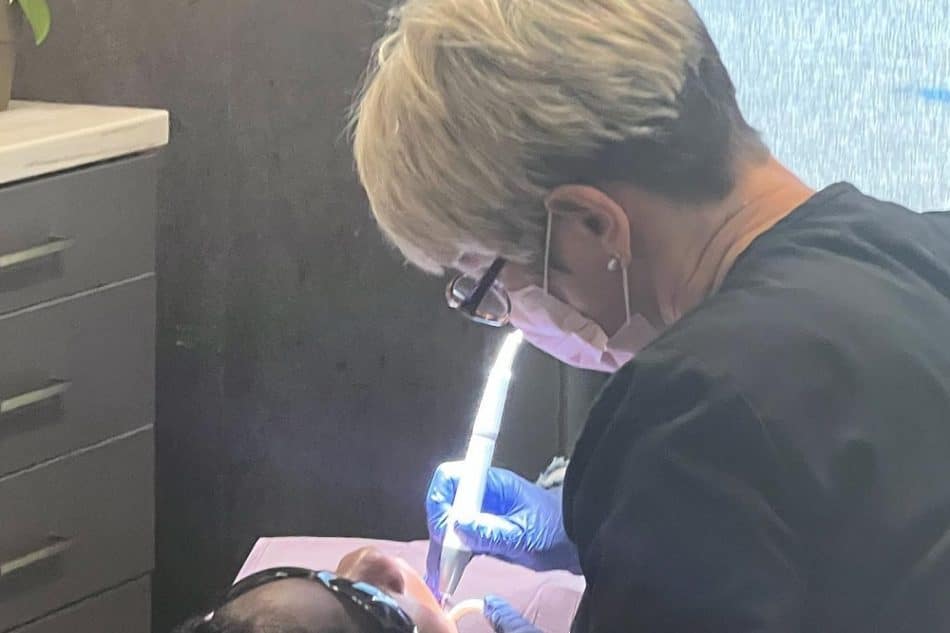
From Mild to Deep: Understanding Different Types of Sedation Dentistry
 By Elementsdentalspa
  May 20, 2026
Sedation dentistry uses various medications to help patients relax during dental procedures. The four main levels range from minimal sedation (you are awake but calm) to general anesthesia (you are completely unconscious), customized based on your anxiety levels, medical history, and the complexity of the procedure.
Sedation dentistry exists because dental fear is one of the most clinically documented barriers to oral health care. A 2025 census-matched study published in the Journal of the American Dental Association found that nearly 73% of U.S. adults report some level of dental fear, with 45.8% classifying it as moderate and 26.8% as severe.
In Louisiana, where adults rank among the highest in the country for unmet dental care needs, that fear has real consequences for long-term oral health. Knowing which type of sedation dentistry is available and how each one works is the first step toward reclaiming control over your oral health.
Elements Dental Spa & Aesthetics provides sedation dentistry in Baton Rouge, Louisiana, for patients across the full anxiety spectrum, from mild nervousness to complete avoidance. Our team evaluates your health history, procedure type, and anxiety level to recommend the safest and most appropriate option.
Contact us today to schedule your consultation!
What Is Sedation Dentistry and How Does It Work?
Sedation dentistry uses medication to reduce anxiety and discomfort during dental procedures while keeping the patient conscious and breathing independently. The American Dental Association (ADA) defines sedation on a formal spectrum: minimal sedation (anxiolysis) leaves you fully awake but relaxed, moderate sedation produces drowsiness with limited procedure recall, and deep sedation places you at the edge of consciousness while self-ventilation is maintained.
All three levels differ from general anesthesia, which induces full unconsciousness and is not administered in standard dental-office settings. Under conscious sedation, patients retain protective reflexes and can respond to verbal prompts throughout the procedure.
Sedation dentistry in Baton Rouge is not limited to complex surgical cases. Baton Rouge patients with sensitive gag reflexes, low pain tolerance, past dental trauma, or difficulty remaining still for extended appointments are all appropriate candidates. A pre-treatment health review, including current medications and medical history, is required before any sedation is administered.
What Are the Different Types of Dental Sedation?
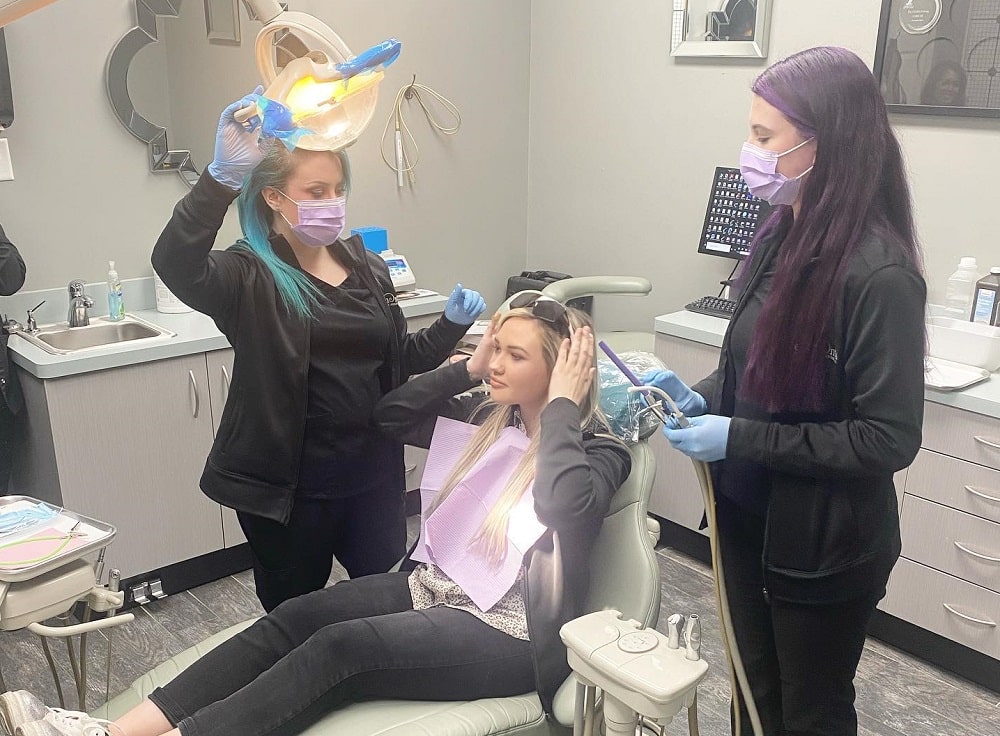 Three types of sedation are used in dental office settings: nitrous oxide inhalation, oral conscious sedation, and intravenous (IV) sedation. Each operates at a different depth on the ADA sedation spectrum, has a distinct onset and recovery profile, and suits a different combination of patient anxiety level and procedure complexity.
The sections below draw on clinical data from the NCBI StatPearls database, the Cleveland Clinic, and the American Dental Association to explain each option accurately.
What Is Nitrous Oxide and Who Is It Best For?
Nitrous oxide, commonly called “laughing gas,” is a colorless, odorless inhalation gas that produces minimal sedation when delivered through a small nasal mask. The ADA classifies it as minimal sedation (anxiolysis). Onset occurs within 3 to 5 minutes, recovery is complete within minutes of mask removal following a 100% oxygen flush, and patients are cleared to drive themselves home afterward.
Nitrous oxide works by depressing the central nervous system, producing a calm, mildly euphoric state. Clinically, it functions as both an anxiolytic and an analgesic, reducing anxiety and the perception of pain simultaneously. The dentist titrates concentration in real time throughout the procedure.
First used in dentistry in 1844 by American dentist Horace Wells, nitrous oxide has one of the longest safety records in clinical dental practice. For Baton Rouge patients who drive to their appointments and need to return to work or daily responsibilities the same day, it is the most practical sedation option available.
How Does Oral Conscious Sedation Work?
Oral conscious sedation involves taking a prescribed benzodiazepine medication, typically triazolam (Halcion), approximately one hour before the appointment. It produces moderate sedation: significantly deeper than nitrous oxide, with patients remaining responsive to verbal instructions but often recalling little of the procedure. Because effects persist for several hours, a designated driver is required.
Common oral sedatives in dental practice include triazolam (Halcion), lorazepam (Ativan), and diazepam (Valium), all classified as benzodiazepines. Dosage determines whether sedation reaches the minimal or moderate threshold on the ADA spectrum. At moderate depth, patients frequently describe feeling detached from the procedure with limited recall afterward.
Oral sedation is well-matched for patients with moderate dental anxiety, a strong gag reflex, or procedures requiring extended chair time. Because no needle is involved at the point of administration, it also suits patients with needle phobia.
Discussing anxiety level, procedure type, and health history with a Baton Rouge dentist before the appointment is the most reliable way to identify the right fit.
What Is IV Sedation and When Is It Used?
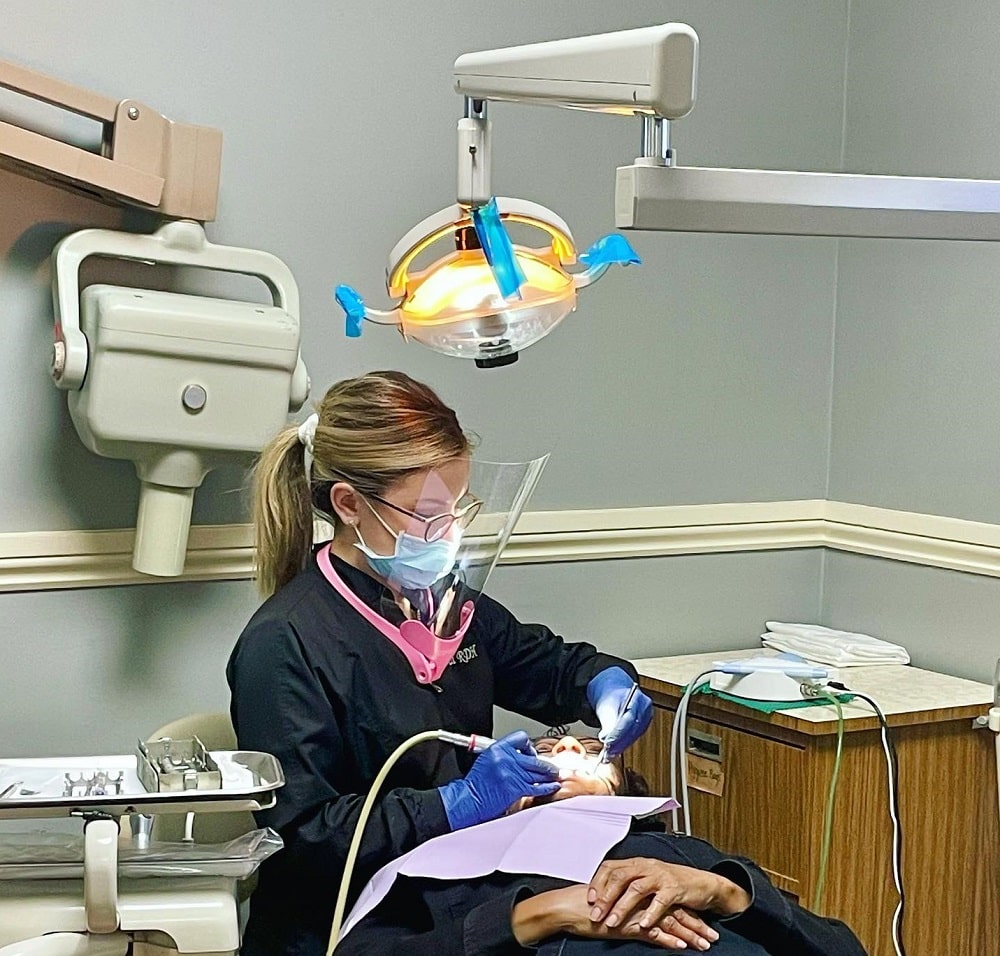 IV sedation delivers sedative medication directly into the bloodstream through a small catheter, typically placed in a vein on the back of the hand or inner forearm. It provides the deepest level of conscious sedation available in a dental office. Onset is nearly immediate, the dentist can titrate the sedation level in real time, and patients commonly describe the experience as a “twilight sleep” state with little to no procedure recall.
The most commonly used IV sedative in dentistry is midazolam (Versed), a short-acting benzodiazepine with strong amnestic and anxiolytic properties. Patients remain technically conscious and retain the ability to self-ventilate, but awareness of the procedure is significantly reduced.
IV sedation is most appropriate for patients with severe dental anxiety, those undergoing complex dental services such as implant placement, surgical extractions, or periodontal surgery, and patients who have not responded adequately to lighter sedation options. For Baton Rouge patients arranging this level of care, having a designated driver and a clear recovery plan for the following 24 hours is required.
How Do You Know Which Sedation Type Is Right for You?
Selecting the appropriate sedation type requires evaluating three clinical factors: anxiety severity, procedure complexity, and overall health history. A qualified dentist reviews all three before making a recommendation. No single type fits every patient, but aligning sedation depth with your actual clinical profile produces the safest outcome and the most comfortable experience.
A practical guide for Baton Rouge patients by anxiety and procedure profile:
- Mild anxiety, routine procedure (cleaning, filling): nitrous oxide is typically sufficient
- Moderate anxiety, gag reflex concern, or longer procedure: oral conscious sedation is a strong match
- Severe dental anxiety, complex procedure, or prior failure with lighter sedation: IV sedation is the most appropriate option
Patients with specific medical conditions, including respiratory conditions, certain cardiovascular conditions, or medication interactions, may not qualify for particular sedation types. That is why a pre-treatment health screening is required, not optional.
For urgent dental needs in Baton Rouge, Louisiana, emergency dental care providers can also address sedation options when time-sensitive treatment is required.
What Should You Expect Before and After a Sedation Appointment?
Preparation and recovery requirements differ by sedation type. Nitrous oxide requires no special preparation, and recovery takes only minutes. Oral and IV sedation require fasting (typically nothing by mouth for at least 6 hours prior), a designated driver for the full day, and rest at home following the appointment. Patients should not drive, operate machinery, or make consequential decisions for 24 hours after oral or IV sedation.
Before any sedation appointment, a pre-treatment health screening is conducted to identify contraindications and confirm the appropriate sedation method.
Post-appointment, follow all written discharge instructions provided by your dentist. For oral and IV sedation patients in Baton Rouge, fatigue and mild cognitive fogginess are expected and resolve fully with rest within 24 hours. Nitrous oxide patients have no activity restrictions once the oxygen flush is complete.
Schedule Sedation Dentistry in Baton Rouge
Selecting the right sedation option directly affects whether patients follow through on treatment, and consistent dental care has a measurable impact on long-term oral health outcomes. Removing fear from the appointment is not a comfort measure alone; it is a clinical one.
Elements Dental Spa & Aesthetics is a trusted dental practice at 8287 Goodwood Blvd, Baton Rouge, LA 70806, offering nitrous oxide, oral conscious sedation, and IV sedation for patients of all ages, including children.
Call us today to schedule your sedation dentistry consultation.
Frequently Asked Questions
Yes. Nitrous oxide, oral conscious sedation, and IV sedation are all clinically established methods governed by American Dental Association guidelines and Louisiana State Board of Dentistry regulations. Each is considered safe when administered by a trained dental professional following a pre-treatment health screening. Patient monitoring is maintained throughout every sedation procedure.
It depends on the sedation type. Patients receiving nitrous oxide can eat normally beforehand. Patients scheduled for oral or IV sedation are typically instructed to fast, with nothing by mouth for at least 6 hours prior to the appointment. Your dental team will provide specific fasting instructions when you schedule.
No. Nitrous oxide, oral sedation, and IV sedation are all forms of conscious sedation. You remain breathing independently and able to respond to verbal prompts throughout the procedure. Complete unconsciousness is only produced by general anesthesia, which requires a certified anesthesiologist and is not used in dental office settings.
Oral sedative medications, typically benzodiazepines such as triazolam or lorazepam, can produce residual drowsiness for several hours following the procedure. The Cleveland Clinic advises patients to avoid driving and similar activities for a full 24 hours after oral or IV sedation.
Yes, sedation dentistry typically carries an additional fee beyond the base procedure cost. The amount varies based on sedation type and total chair time. Calling a Baton Rouge dental office directly is the best way to review sedation pricing and available payment options before booking.
Yes. Nitrous oxide is widely used for pediatric dental patients and is endorsed by the American Academy of Pediatric Dentistry as one of the safest sedation options for children. Liquid oral sedation using midazolam (Versed) is also used in select pediatric cases. Eligibility depends on the child’s age, weight, health status, and level of dental anxiety.
Sedation dentistry maintains consciousness, independent breathing, and protective reflexes throughout the procedure. General anesthesia produces full unconsciousness, eliminates protective reflexes, and requires a certified anesthesiologist and dedicated monitoring equipment. General anesthesia is not administered in standard dental office settings.

