

Call Us : (225) 398-8812

- Home > Blog > Emergency Dentistry > Lost a Tooth? Here’s What to Do Right Away

 By Elementsdentalspa
  Feb 24, 2026
Losing a permanent tooth is a dental emergency that requires immediate action to save the tooth. The most critical window for success is within 30 to 60 minutes of the incident.
A knocked-out tooth is one of those moments that makes your heart drop. Maybe it happened during a weekend basketball game. A fall at the playground. An accident you didn’t see coming. Whatever the cause, you’re probably panicking a little right now, and that’s completely understandable.
Here’s the good news: a knocked-out tooth can often be saved. But what you do in the next 30 minutes makes all the difference.
If you or someone in your family has just lost a tooth and needs immediate help, contact Elements Dental Spa & Aesthetics in Baton Rouge at (225) 398-8812. Our team provides emergency dental care and virtual consultations so you can get guidance fast, even before you arrive at our office.
Let’s walk through exactly what to do, step by step.
What Happens When a Tooth Gets Knocked Out?
When a tooth gets knocked out (a condition dentists call “avulsion”), the roots, nerves, and connective tissues that hold it in place are torn away from the socket. Those tissues are alive. They start to deteriorate within minutes of being exposed to air.
That’s why timing matters so much.
Research shows that if a tooth is reimplanted within 30 minutes, the success rate can be as high as 85 to 97%. After about an hour outside the mouth, those odds drop sharply. The cells on the root surface dry out and lose their ability to reattach to the bone.
This isn’t meant to scare you. It’s meant to motivate you to act quickly and calmly.
How Should You Handle a Knocked-Out Tooth?
The way you handle the tooth in the first few minutes has a direct impact on whether it can be saved.
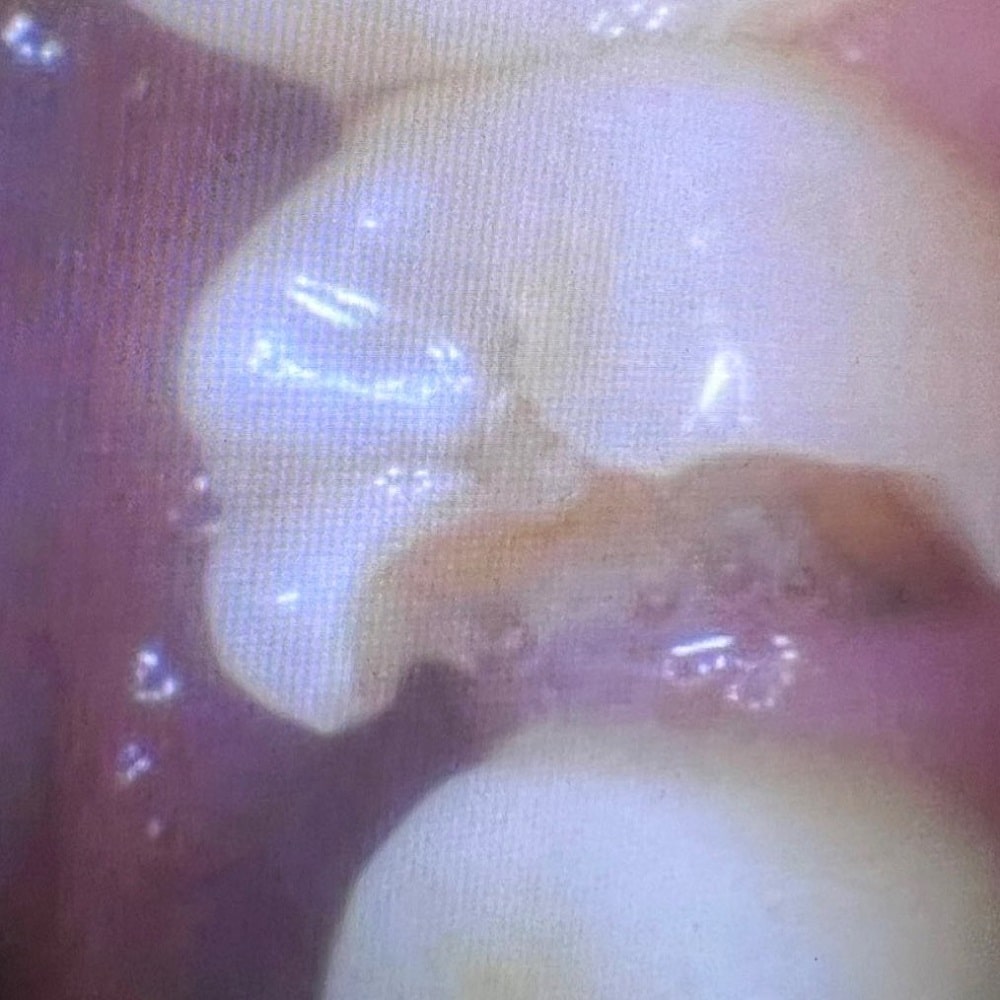
 Pick it up by the crown only:That’s the visible part of the tooth, the part you normally see above the gum line. Never touch the root. The root surface contains delicate periodontal ligament cells responsible for reattachment, and handling them can cause permanent damage.
- Rinse gently if it’s dirty: Hold the tooth under a light stream of water for no more than 10 seconds. Don’t scrub it. Don’t use soap, alcohol, or any cleaning solution. And don’t wrap it in tissue or cloth, because the fibers can stick to the root surface.
- Try to place it back in the socket: Gently push the tooth back into position and hold it there by biting down on a clean cloth. This is the single best thing you can do. It keeps the root cells in their natural environment, where they have the highest chance of survival.
 Pick it up by the crown only:That’s the visible part of the tooth, the part you normally see above the gum line. Never touch the root. The root surface contains delicate periodontal ligament cells responsible for reattachment, and handling them can cause permanent damage.
What If You Can’t Reinsert the Tooth?
Sometimes reinserting the tooth isn’t an option. Maybe there’s too much swelling, the pain is too intense, or a child is too upset to cooperate. That’s okay. You still have good options for preserving it.
- Cold milk is your best bet: Milk has a pH and chemical composition similar to what root cells need to survive. Drop the tooth into a small container of milk and head to the dentist right away.
- Saliva works in a pinch: No milk nearby? Tuck the tooth between your cheek and lower gums. Your own saliva will keep the root cells moist and alive. For a young child who might accidentally swallow it, milk or saline solution is the safer choice.
- Avoid regular tap water at all costs: Water is hypotonic, meaning it causes root cells to swell and burst. Even a few minutes in water can seriously reduce the chances of successful reimplantation.
Does It Matter Whether It’s a Baby Tooth or an Adult Tooth?
Yes. The approach is different for each.
- Adult (permanent) teeth should always be preserved and reimplanted when possible. These are the teeth meant to last your entire life. Saving one avoids the need for bridges, implants, or other prosthetics down the road.
- Baby (primary) teeth are generally not reimplanted. Forcing a baby tooth back into the socket can damage the permanent tooth developing underneath. That said, you should still see a dentist after a child loses a baby tooth to trauma. The dentist will check for damage to surrounding bone, gums, and neighboring teeth and may recommend a space maintainer to prevent shifting.
Not sure which type it is? Save the tooth and bring it with you. Your dentist can figure it out and recommend the right next step.
How Quickly Should You Get to a Dentist?
Thirty minutes is the goal. Every minute counts.
But if you can’t make that window, don’t give up. Teeth have been successfully reimplanted after longer periods, especially when stored properly in milk or saliva. Think of the 30-minute mark as the point of highest success, not a hard cutoff.
Many dental offices now offer virtual consultations for emergencies. If getting to a dentist right away isn’t possible, call ahead. Most offices can walk you through the best steps over the phone or through a video call while you’re on your way.
What Does the Reimplantation Process Look Like?
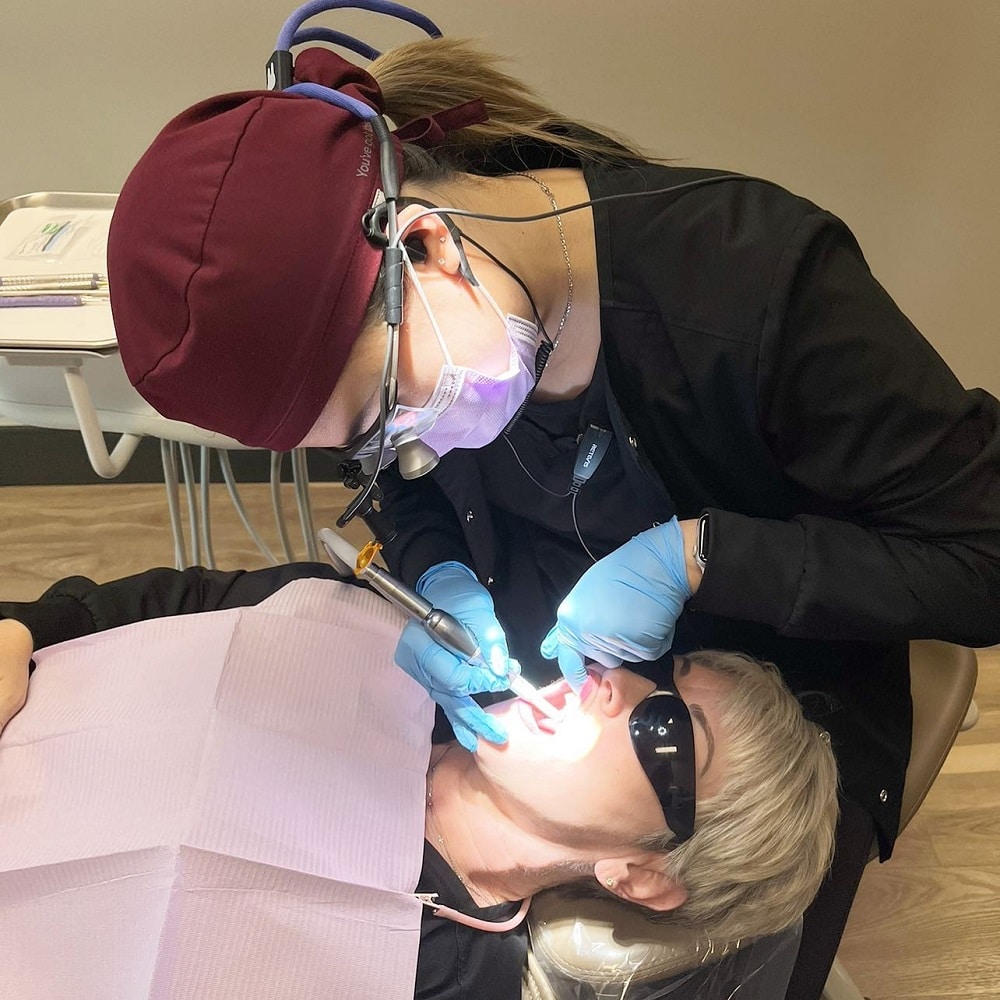
Once you arrive at the dental office, the dentist will clean the socket, reposition the tooth, and stabilize it with a flexible splint. This is a small wire or composite material bonded to the knocked-out tooth and the teeth next to it. It holds everything in place while the periodontal ligament heals.
 Here’s what to expect during recovery:
- The splint usually stays on for one to two weeks.
- Stick to soft foods and avoid biting directly on the affected tooth.
- Your dentist will schedule follow-up visits to monitor healing and watch for complications like infection or root resorption.
- In some cases, the tooth may need a root canal. This is common when the nerve inside the tooth was damaged during the injury, and your dentist will discuss it with you if it becomes necessary.
What If the Tooth Can’t Be Saved?
Sometimes, despite your best efforts, a knocked-out tooth can’t be reimplanted. Maybe too much time passed. Maybe the root was damaged, or the socket itself was fractured. That’s a frustrating outcome. But it’s not the end of the road.
Modern restorative dentistry offers several paths forward:
- Dental implants are the most natural-looking and long-lasting solution. They function and feel like a real tooth, and they help preserve the bone structure in your jaw.
- Bridges attach a replacement tooth to the teeth on either side of the gap, restoring your smile without surgery.
- Partial dentures are a removable, cost-effective alternative that works well depending on your situation.
Take Action Now, Figure Out the Rest Later
A knocked-out tooth is stressful, but the steps are simple. Pick it up by the crown, keep it moist, and get to a dentist as fast as you can. Even if you’re not sure you’re doing everything perfectly, acting quickly gives your tooth the best possible chance. The worst thing you can do is wait or assume it’s too late.
If you’re dealing with a tooth that couldn’t be saved, the team at Elements Dental Spa & Aesthetics can help you explore the replacement option that fits your needs, your lifestyle, and your budget. Contact us today to schedule a consultation!
Frequently Asked Questions
Yes, a knocked-out tooth can often be reimplanted if you act quickly. The best outcomes happen when the tooth is placed back into the socket within 30 minutes of the injury. If you cannot reinsert it yourself, store it in milk and get to a dentist as soon as possible. Many dental offices offer same-day emergency appointments for tooth avulsion cases.
A tooth has the highest chance of survival when reimplanted within 30 minutes. After that, the periodontal ligament cells on the root begin to dry out and die. Proper storage in milk or saliva can extend that window, and some teeth have been successfully reimplanted after an hour or more. The longer you wait, the lower the odds, so speed matters.
Milk has a pH level and chemical balance that closely matches what root cells need to stay alive. It prevents the cells from swelling or shrinking, which is what happens when a tooth sits in plain water. If milk is not available, saliva is the next best option. Never store a knocked-out tooth in tap water, as it damages root cells within minutes.
A dentist is the better choice in most cases. Emergency rooms can manage bleeding and pain, but they typically do not have the tools or training to reimplant a tooth. If you also have a head injury, a broken jaw, or bleeding that will not stop, go to the ER first. For the tooth itself, call your dentist directly for emergency guidance.
In many cases, yes. When a tooth is knocked out, the nerve and blood supply inside the tooth are usually damaged. Your dentist will monitor the tooth over several follow-up visits and recommend a root canal if the nerve does not recover. This is a common and expected part of the healing process, not a sign that something went wrong.
Saving your natural tooth is almost always the preferred option when possible. A natural tooth preserves the bone structure in your jaw, maintains the alignment of surrounding teeth, and does not require surgery. Implants are an excellent backup plan, but they involve a longer treatment timeline and higher cost. Your dentist can help you weigh both options based on your specific situation.
Baby teeth are generally not reimplanted. Forcing a primary tooth back into the socket can damage the permanent tooth developing underneath the gum. However, you should still visit a dentist after a child loses a baby tooth from an injury. The dentist will check for damage to surrounding bone and gums and may recommend a space maintainer to prevent the other teeth from shifting.
Swallowing a tooth is not typically a medical emergency. The tooth will usually pass through your digestive system within 24 to 48 hours without causing harm. The bigger concern is that you no longer have the tooth available for reimplantation. There is also a small chance the tooth could be inhaled into the airway instead of swallowed. If you experience coughing, choking, or difficulty breathing, seek emergency medical care right away. Otherwise, visit your dentist to have the empty socket evaluated and to discuss replacement options.
Fold a piece of clean gauze or a damp black tea bag and place it over the empty socket. Black tea contains tannic acid, which helps constrict blood vessels and promotes clotting. Bite down with gentle, steady pressure for 15 to 20 minutes without removing it to check. Avoid spitting, rinsing, or using a straw, as these actions can dislodge the blood clot that is forming. If bleeding continues after 30 minutes of steady pressure, contact your dentist or head to an urgent care facility.
A basic dental emergency kit should include a small container with a lid for storing a tooth in milk, sterile gauze pads, over-the-counter pain relievers, and your dentist’s phone number. Some pharmacies also sell tooth preservation kits containing a special solution designed to keep root cells alive for up to 24 hours. Keeping one at home and another in a sports bag gives you a head start when every minute counts.

