

Call Us : (225) 398-8812


Veneers vs. Bonding: Which Cosmetic Dentistry Solution Is Right for You?
 By Elementsdentalspa
  Sep 24, 2025
Table of Contents
- Key Takeaways
- Dental Bonding vs. Veneers: Key Differences
- What Is the Process?
- Who Is the Ideal Candidate?
- Pick the Right Choice by Choosing Us
Veneers are ultra-thin porcelain shells designed to whiten and reshape teeth, providing a dramatic cosmetic transformation. In contrast, dental bonding uses a tooth-colored resin putty to repair minor imperfections, such as chips, gaps, and small blemishes.
Both treatments can rejuvenate your smile, but each offers distinct benefits and drawbacks. At Elements Dental Spa & Aesthetics, we’ll help you determine which treatment is best suited for you.
Take your time to make the right choice. Contact us today to discuss which solution best suits your needs.
Key Takeaways
- Veneers are ultra-thin porcelain shells that reshape and whiten teeth for dramatic transformations, while bonding uses tooth-colored resin to fix minor imperfections like chips and gaps in a more affordable, less invasive way.
- Veneers are made from durable porcelain, offering a natural look and resistance to staining, while bonding uses composite resin, which is more affordable but can stain over time and lacks porcelain’s translucency.
- Veneers require multiple visits and enamel removal for custom fabrication, while bonding is a quicker, one-visit procedure with minimal preparation and no enamel removal.
- Veneers last 10 to 15 years with proper care, making them a long-term solution, while bonding lasts 3 to 7 years and requires more maintenance.
- Veneers cost between $1,000 to $2,500 per tooth, whereas bonding is more affordable, costing $100 to $600 per tooth.
- Veneers provide a polished, lifelike appearance for significant cosmetic issues, while bonding is better for minor fixes but may not have the same shine or natural look as veneers.
- Choose bonding for minor imperfections and quick fixes, and veneers for long-lasting results or a complete smile makeover with significant cosmetic concerns.
Dental Bonding vs. Veneers: Key Differences
When considering cosmetic dental treatments, understanding the distinctions between dental bonding and veneers is crucial. Each option offers unique benefits tailored to specific dental needs.
The Material
The material used in dental bonding and veneers plays a significant role in their durability, aesthetic appeal, and suitability for different cases.
 Veneers: Typically crafted from porcelain or composite resin. Porcelain is favored for its durability, natural appearance, and resistance to staining. It mimics the translucency of natural teeth, making it ideal for a lifelike finish.
- Bonding: Uses a tooth-colored composite resin applied directly to the tooth surface. While cost-effective, it is more susceptible to staining and may not match the natural translucency of porcelain.
 Veneers: Typically crafted from porcelain or composite resin. Porcelain is favored for its durability, natural appearance, and resistance to staining. It mimics the translucency of natural teeth, making it ideal for a lifelike finish.
The Procedure
The procedure for each treatment varies significantly in terms of invasiveness, time required, and customization.
- Veneers: The process involves the removal of a thin layer of enamel and the custom fabrication of the veneers, requiring two to three visits. This approach is irreversible and requires careful consideration.
- Bonding: A quicker, less invasive procedure completed in a single visit, typically lasting 30 minutes to 1 hour. It requires minimal preparation and is reversible, making it suitable for minor cosmetic issues.
The Longevity
When deciding between bonding and veneers, the longevity of each treatment is an important factor to consider.
- Veneers: Porcelain veneers are highly durable, typically lasting 10 to 15 years with proper care. They are resistant to chips and staining, making them a long-term investment.
- Bonding: Typically lasts 3 to 7 years, depending on maintenance and lifestyle habits. Bonding is more affordable but may require more frequent touch-ups or replacements.
The Cost
Cost is a key consideration when selecting between veneers and bonding, as each option comes with different price points.
- Veneers: Cost ranges from $1,000 to $2,500 per tooth, depending on material and complexity. While more expensive, they offer a durable and long-lasting solution.
- Bonding: More affordable, typically costing between $100 and $600 per tooth. Insurance coverage may vary between the two treatments.
The Aesthetics
Aesthetics are a major factor in choosing the right cosmetic solution, as both veneers and bonding offer distinct visual results.
- Veneers: Ideal for addressing concerns like discoloration, misalignment, and minor imperfections. They provide a polished, bright appearance, reflecting light like natural teeth.
- Bonding: Effective for small chips and gaps, but does not offer the same shine as veneers and may be more noticeable compared to the subtle glow of porcelain veneers.
What Is the Process?
Both veneers and bonding offer cosmetic enhancements to your smile, but their procedures differ significantly in terms of steps, time, and customization.
Your Bonding Appointment
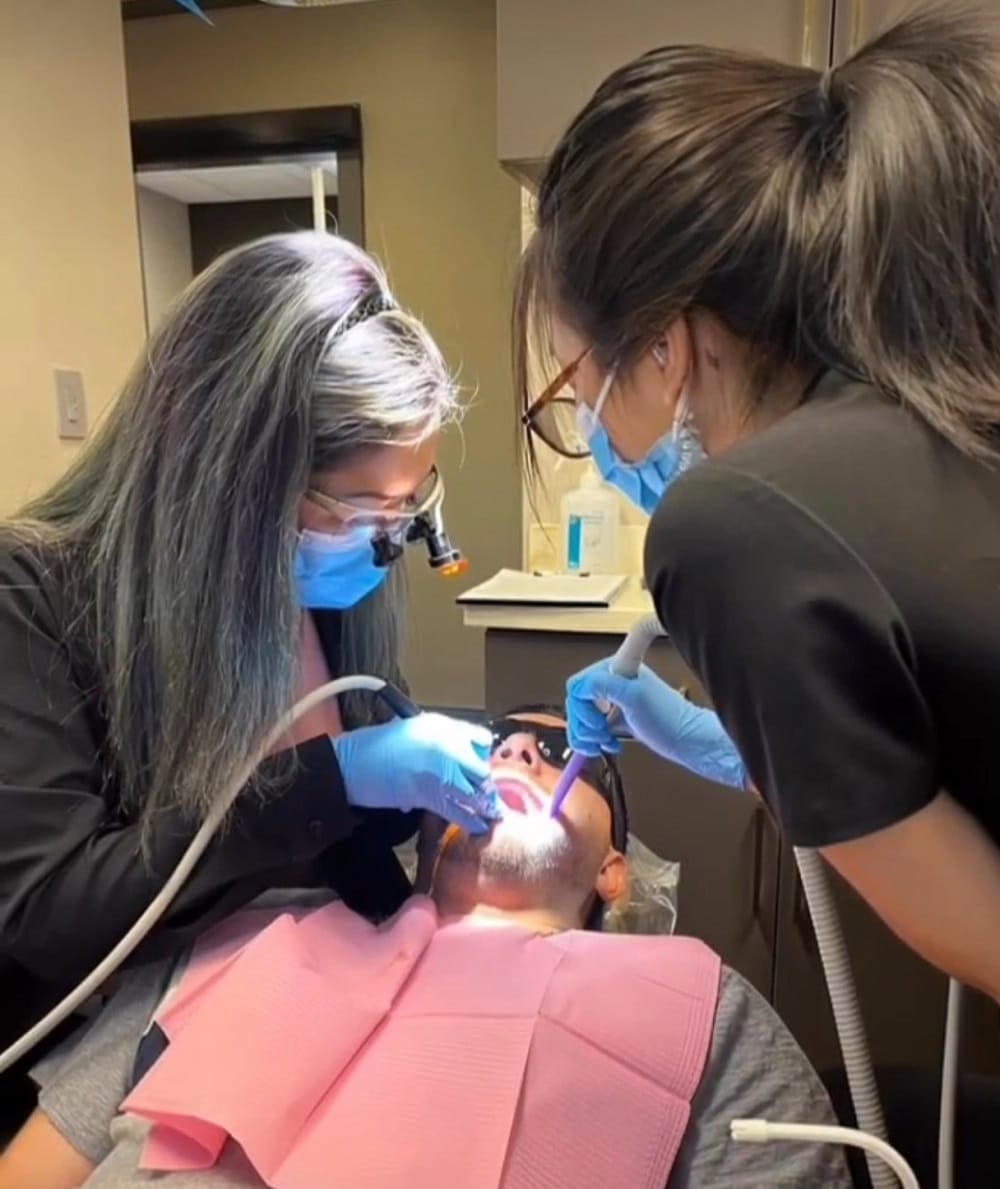 Bonding is a quick and simple procedure that is typically completed in a single appointment. A tooth-colored composite resin is applied directly to your teeth, requiring minimal preparation. The dentist may roughen the surface of the tooth before applying the resin to help it adhere properly.
After shaping it to match the natural contour of your tooth, the resin is cured with a special light. This process typically takes 30 to 60 minutes, making bonding an excellent option for quick fixes, such as small chips, gaps, or minor imperfections.
Your Veneer Journey
The veneer procedure is more involved and usually takes several weeks. It begins with a consultation to determine if veneers are suitable for your teeth. If so, the dentist will take impressions of your teeth to create custom veneers.
The dentist will typically need to remove a thin layer of enamel from the teeth to ensure the veneers fit properly. Temporary veneers may be placed while you wait for the lab to create your permanent ones.
Once the veneers are ready, they are bonded to your teeth using a strong dental adhesive. This process results in both aesthetic and long-lasting improvements to your smile.
Who Is the Ideal Candidate?
Your decision to choose between bonding and veneers depends on your specific dental needs, preferences, and overall health. Both treatments aim to improve the appearance of your smile, but they are designed for different purposes and scenarios.
A consultation with your dentist will help you determine which option is best for you.
Choose Bonding If:
- Your teeth have minor imperfections, such as a small gap or a chipped tooth.
- You want a quick solution, completed in a single visit with minimal pain.
- You are young, and the teeth have been exposed to little damage to the enamel.
- You need a correction for slight discoloration on a single tooth.
- Your teeth are mostly healthy, and you have minor defects in other areas.
Choose Veneers If:
- You want a complete transformation of your smile.
- You have major cosmetic concerns, such as severe staining, misalignment, or large spaces.
- You desire a much more polished look with added brightness.
- Your oral health is in good condition.
- You’re seeking a long-term solution (10-15 years) resistant to staining from coffee, wine, or acidic foods.
Pick the Right Choice by Choosing Us
Your decision between veneers and bonding should be influenced by your goals, budget, and dental health. Bonding is ideal for minor fixes and short-term solutions, while veneers offer long-lasting results for more significant cosmetic changes.
Schedule a consultation with us at Elements Dental Spa & Aesthetics to discuss your options and find the best treatment for your unique smile! Call us today!

