

Call Us : (225) 398-8812

- Home > Blog > Dental Services > How to Handle a Dental Emergency: A Complete Guide for Every Crisis

How to Handle a Dental Emergency: A Complete Guide for Every Crisis
 By Elementsdentalspa
  Mar 25, 2026
Handling a dental emergency requires quick action to save teeth and alleviate pain. The most critical steps are staying calm, assessing the damage, and contacting a dentist immediately, as timely care can prevent permanent loss of teeth or severe infection.
A dental emergency can happen in an instant. One bad fall, one hard crunch, one moment of sudden jaw pain, and you are left wondering what to do next. Many people panic, rush to a hospital, or wait far too long before calling a dentist.
At Elements Dental Spa & Aesthetics, we offer emergency dental care in Baton Rouge, including virtual consultations so you can speak with a dentist right away, no matter where you are.
If you are dealing with a dental emergency right now, call us immediately at (225) 398-8812.
What Counts as a Dental Emergency?
A dental emergency is any oral health situation that causes severe pain, heavy bleeding, or poses a risk of permanent damage to your teeth, gums, or jaw if left untreated for more than a few hours. Common dental emergencies include a knocked-out tooth, a broken tooth, a dental abscess, uncontrolled bleeding, and severe toothaches.
Situations That Require Immediate Care
 When pain is intense, infection is present, or a tooth has been knocked out, time matters. According to the American Dental Association, more than 2 million people visit hospital emergency departments for dental pain every year in the United States. These are situations where waiting even a few hours can result in permanent tooth loss or a dangerous spread of infection.
Situations That Can Wait a Day or Two
Not every dental problem requires same-day care. A mild chip, a lost filling, or minor tooth sensitivity that comes and goes are concerns worth addressing soon but rarely require emergency treatment. When in doubt, call your dentist and describe your symptoms. They can help you decide how quickly you need to be seen.
Knowing the difference between urgent and non-urgent situations helps you act quickly when it counts most.
What Should You Do When a Tooth Gets Knocked Out?
When a permanent tooth is knocked out, you have ideally within 30 minutes to seek emergency dental treatment for the best chance of saving it. Handle the tooth by the crown only, never the root, and get to a dentist immediately.
Follow these steps right away:
- Pick up the tooth by the crown (the white top portion), not the root.
- Rinse it gently with clean water. Do not scrub or use soap.
- If you can, carefully reinsert the tooth into its socket and hold it in place by biting down lightly on clean gauze.
- If reinserting is not possible, place the tooth in a small container of milk or saliva to keep it moist.
- Do not store it in plain water, as it can damage the tissue.
- Call an emergency dentist immediately and head to the office.
Every minute counts here. Tooth reattachment success drops significantly after the first hour, so contacting an emergency dentist and heading to the office right away gives your tooth the best chance of survival.
How Do You Handle a Broken or Cracked Tooth?
A broken or cracked tooth should be treated as an emergency when it exposes inner nerve tissue, causes sharp pain, or involves a jagged edge that could cut soft tissue. Even a crack that looks minor can allow bacteria to enter the pulp, leading to serious infection.
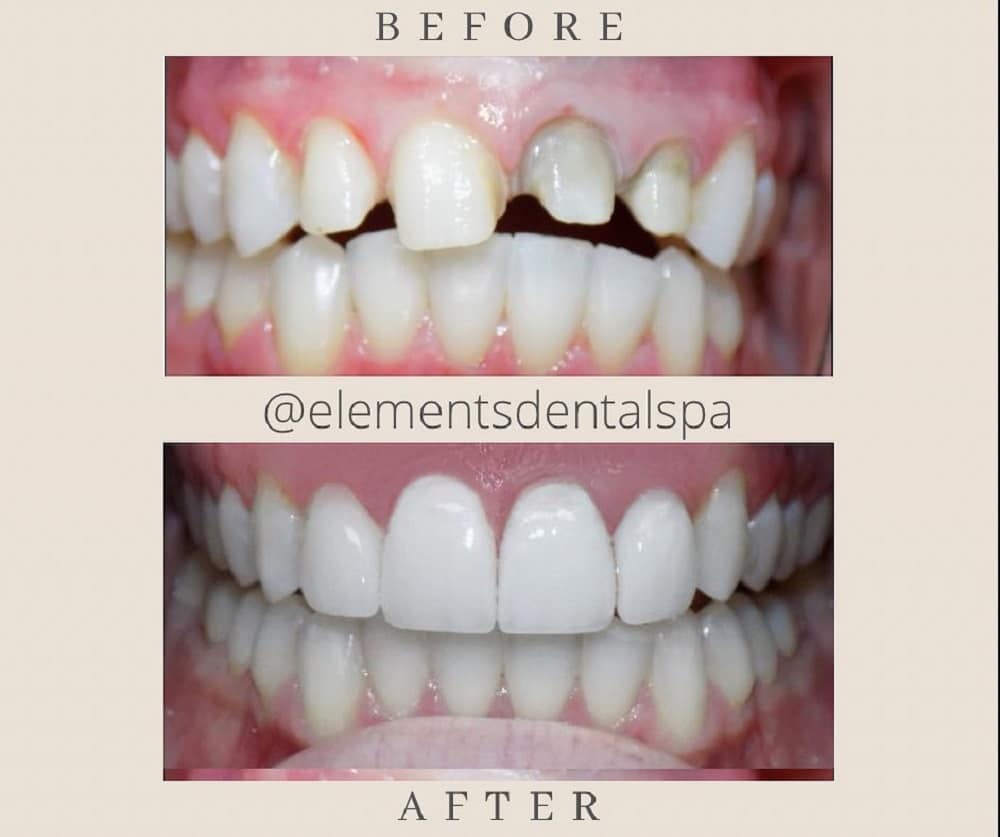 Here is what to do right away:
- Rinse your mouth with warm water to clear any debris.
- If you can locate the broken piece, place it in milk and bring it to your appointment.
- Apply a cold compress to the outside of your cheek to reduce swelling.
- Cover any sharp edges with temporary dental wax or sugar-free gum.
- Take an over-the-counter pain reliever such as ibuprofen to manage discomfort.
- Call your dentist as soon as possible. Prompt treatment may allow bonding, a crown, or another restoration to save the tooth.
Avoid chewing on the affected side until you have been seen. Even if pain is mild, delaying care can turn a manageable crack into a situation that requires a root canal treatment or an extraction.
What Are the Signs of a Dental Abscess?
A dental abscess is a bacterial infection that creates a pocket of pus near the tooth root or gum, and it is always a dental emergency. Signs include a persistent throbbing toothache, swelling in the face or jaw, fever, and a foul taste in the mouth.
Research published by the National Institutes of Health notes that untreated dental abscesses can carry a mortality rate as high as 40% in the most severe cases when infection spreads to deeper tissue. This is not a condition to wait out.
If you suspect an abscess, take these steps immediately:
- Rinse your mouth gently with warm saltwater several times a day to reduce bacteria.
- Take ibuprofen for pain and anti-inflammatory relief.
- Do not apply heat to the swollen area, as it can worsen inflammation.
- Call your dentist right away. An abscess requires professional drainage, antibiotics, and in many cases a root canal or extraction.
If you experience difficulty breathing, difficulty swallowing, or extreme facial swelling, go to a hospital emergency room. Those are signs the infection has spread.
When Is Severe Tooth Pain a Dental Emergency?
Severe tooth pain is a dental emergency when it is constant, does not respond to over-the-counter pain relief, and is accompanied by swelling, fever, or sensitivity to hot and cold. Pain of this intensity often signals deep decay, a cracked root, an abscess, or nerve damage that requires same-day care.
Mild or occasional tooth sensitivity is common and can often be addressed at a regular appointment. The threshold for an emergency is pain that disrupts eating, sleeping, or daily function. If you are unable to find relief after taking ibuprofen or acetaminophen, that is your signal to call an emergency dentist rather than wait.
What Can You Do to Manage Pain Before Your Appointment?
Before you reach a dentist, managing pain and protecting the affected area buys you critical time. Rinse with warm saltwater, use over-the-counter dental cement for exposed teeth, apply a cold compress, and take an appropriate dose of ibuprofen or acetaminophen to reduce pain and inflammation.
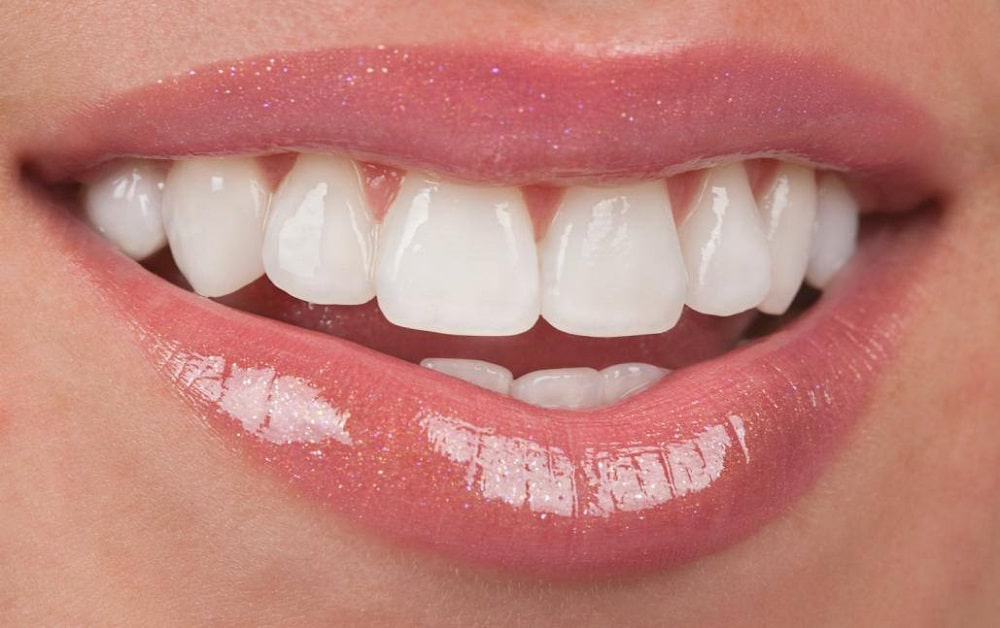 A few things to keep in mind:
- Do not place aspirin directly on the tooth or gum tissue. It can cause chemical burns.
- Avoid very hot, cold, or hard foods until you are seen.
- If a crown has fallen off, temporary dental cement from a pharmacy can protect the tooth until your appointment.
- For bleeding that does not slow, apply gentle pressure with clean gauze.
These are temporary measures. They are not a substitute for professional care, and no home remedy will address the underlying cause of a dental emergency.
If you cannot get to a dental office right away, many practices offer virtual consultations that allow you to speak with a dentist from home and receive guidance on next steps.
Get Emergency Dental Care in Baton Rouge Today
Knowing what to do in a dental emergency can be the difference between saving a tooth and losing it permanently. The steps above give you a clear plan for handling the most common dental crises, from a knocked-out tooth to a painful abscess, while you get to professional care as quickly as possible.
At Elements Dental Spa & Aesthetics, we have served the Baton Rouge community for over 30 years with personalized, compassionate dental care for patients of all ages.
Contact us now or use our virtual consultation option to speak with our team the moment a dental emergency strikes.
Frequently Asked Questions
What should I do if a baby tooth gets knocked out?
Do not attempt to reinsert a knocked-out baby tooth. Reinserting a primary tooth can damage the developing permanent tooth underneath. Instead, control any bleeding with clean gauze, keep the child calm, and call your dentist for guidance within the hour.
Can I go to a hospital emergency room for a dental emergency?
Hospital emergency rooms can help with pain management, antibiotics, and stabilizing an infection. However, most ER staff cannot perform dental procedures. You will still need a dentist to address the underlying problem after receiving ER care.
How do I know if my toothache needs emergency care?
If pain is severe, constant, or accompanied by swelling, fever, or discharge, treat it as an emergency. Mild, occasional sensitivity that comes and goes may not require immediate attention but should still be evaluated at your next available appointment.
What is the 30-minute rule for knocked-out teeth?
The American Association of Endodontists states that the best chance of saving a knocked-out permanent tooth is to have a dentist reimplant it within 30 minutes of the injury. Teeth kept continuously moist may still be viable beyond that window, but every additional minute outside the socket reduces the odds of long-term success.
Can a cracked tooth heal on its own?
No. Teeth cannot repair themselves. A crack will not close without treatment. Even a hairline crack can worsen over time, allow bacteria to reach the pulp, and eventually lead to infection or tooth loss. See a dentist as soon as possible after noticing any crack.
How can I prevent dental emergencies?
Wearing a mouthguard during contact sports, avoiding chewing on hard objects like ice or pen caps, maintaining regular dental cleanings, and treating cavities promptly are the most effective ways to reduce your risk of a dental emergency.
Is a lost filling or crown a dental emergency?
A lost filling or crown may not cause intense pain immediately, but it exposes vulnerable tooth structure to bacteria and damage. Contact your dentist within 24 hours. In the meantime, temporary dental cement from a pharmacy can protect the exposed area.

