

Call Us : (225) 398-8812

- Home > Blog > Sedation Dentistry > Fear of the Dentist? Sedation Dentistry Might Be the Solution
 By Elementsdentalspa
  May 25, 2026
Sedation dentistry for dental anxiety uses medication to keep you calm and comfortable during dental treatment while you stay conscious and breathing on your own. For people who avoid the dentist out of fear, it turns a dreaded appointment into one you can actually sit through, matched to your anxiety level and the care you need.
Dental fear is far more common than most people assume. A census-matched survey of 1,003 U.S. adults published in the Journal of the American Dental Association in September 2025 found that 72.6% report some fear of the dentist, with 45.8% calling it moderate and 26.8% calling it severe. If you dread your next cleaning, you are in the majority, not the exception.
That fear carries a real cost in Louisiana, which ranks among the worst states in the country for dental health. Roughly 40.7% of Louisiana adults had not seen a dentist in the past year. Avoidance feels easier in the moment, but it lets small, fixable problems grow into painful ones.
At Elements Dental Spa & Aesthetics, we treat anxious patients across the full fear spectrum, from mild nerves to people who have not sat in a dental chair in years. Our Baton Rouge team reviews your health history, your triggers, and the treatment you actually need, then recommends the calmest, safest path forward.
If fear has kept you from the care you need, contact us today to talk through your options with a team that gets it.
What Causes Fear of the Dentist?
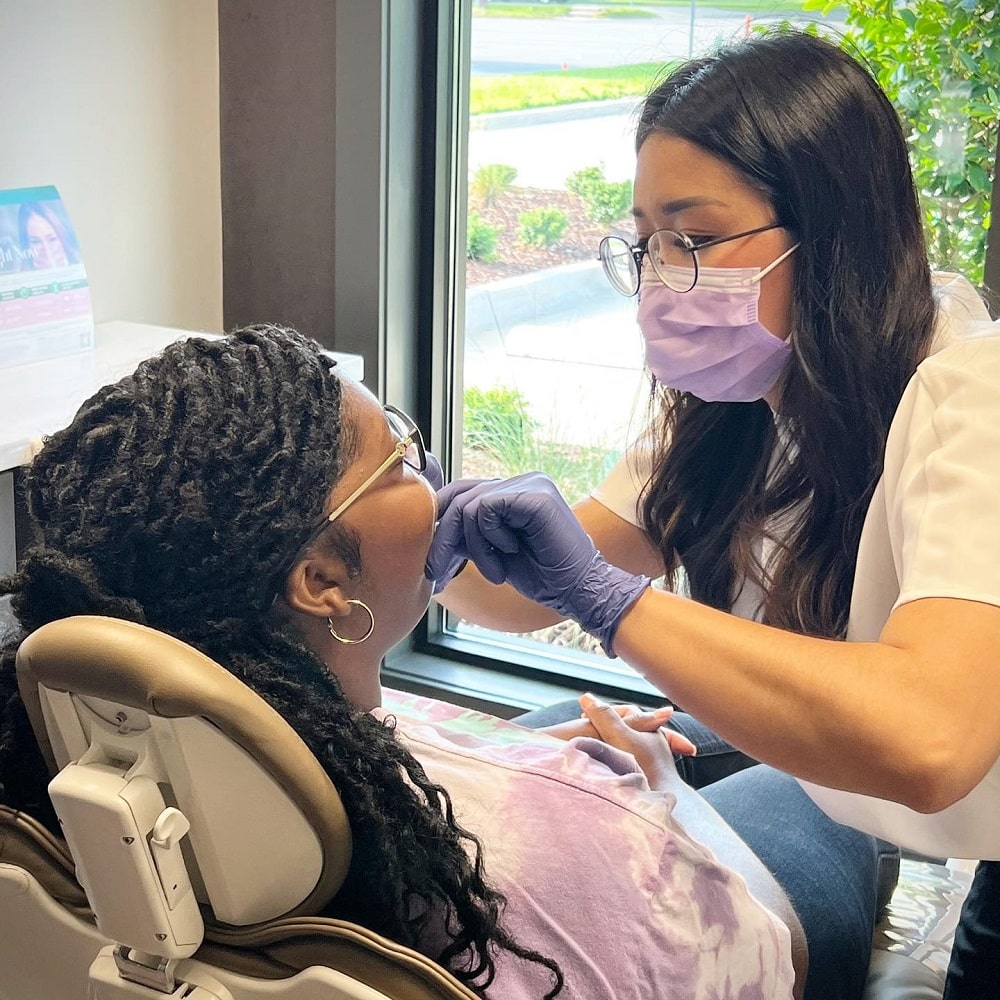 Fear of the dentist usually traces back to a specific source: a past painful or rushed appointment, the sound of the drill, a fear of needles, a sensitive gag reflex, or the feeling of losing control while someone works in your mouth. For many people, embarrassment about the condition of their teeth piles on top of all of that.
When the fear grows intense enough to keep someone away from care, clinicians call it dental phobia, or odontophobia. It is a recognized response, not a personal failing, and it tends to feed on itself the longer care is postponed.
The encouraging part is that most people want a way out of it. In the same 2025 study, 71.2% of adults who feared the dentist said they would be interested in help addressing that fear. Naming the trigger is where it starts, and it is also the first thing we ask about when an anxious patient sits down with us.
Why Does Avoiding the Dentist Make Things Worse?
Avoiding the dentist rarely makes a problem disappear. More often it grows bigger, more painful, and more expensive to fix. A small cavity that needs a simple filling can quietly progress to an infection that requires a root canal or an extraction.
This is the avoidance cycle, and it is hard to break. Fear leads to skipped visits, skipped visits let problems grow, bigger problems mean longer or more involved appointments, and those harder appointments seem to confirm the original fear.
Left unaddressed, minor issues commonly escalate:
- Untreated decay: a routine filling can turn into a root canal or extraction.
- Early gum disease: reversible inflammation can progress toward bone and tooth loss.
- A small chip or crack: a quick repair can become a much larger restoration.
When fear has already let something reach the painful stage, our emergency dental care in Baton Rouge can address the urgent problem and the anxiety wrapped around it at the same time, so you are not forced to choose between relief and comfort.
How Does Sedation Dentistry Help With Dental Anxiety?
Sedation dentistry helps by lowering your anxiety to a level where treatment is genuinely tolerable, without putting you fully to sleep. Every option used in a dental office keeps you conscious and able to respond. That keeps you safe while you feel calm and detached from what is happening. The right depth is matched to how anxious you are and how involved the treatment is.
We offer three levels of sedation dentistry, and each one suits a different degree of fear.
Nitrous Oxide for Mild Nerves
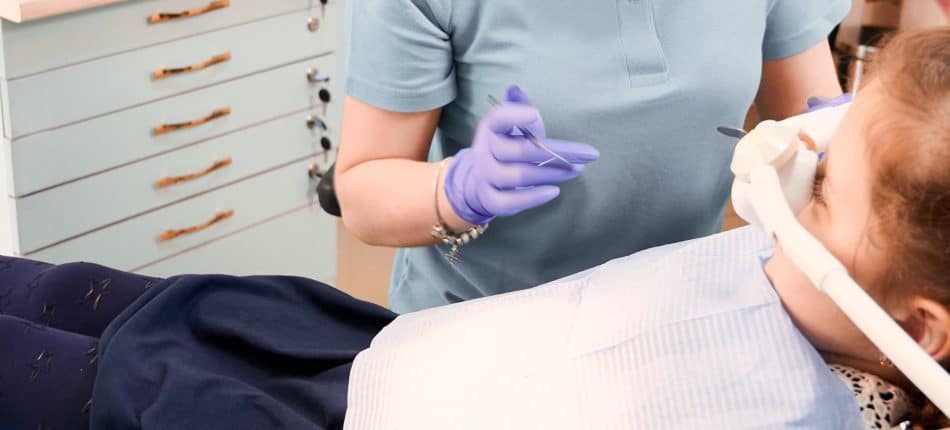
 Nitrous oxide, often called laughing gas, is the lightest option. You breathe it through a small nose mask, feel relaxed within a few minutes, and the effect clears almost as quickly once the mask comes off and you breathe pure oxygen. Because it wears off so fast, most patients drive themselves home and get on with their day. The American Academy of Pediatric Dentistry also recognizes it as a safe and effective option for children.
Oral Sedation for Moderate Anxiety
Oral sedation means taking a prescribed calming medication, usually a benzodiazepine, about an hour before your appointment. You stay awake and responsive but feel deeply relaxed, and many patients remember very little of the visit afterward. The effect lasts several hours, so you will need someone to drive you home. It is a strong fit for moderate anxiety, a sensitive gag reflex, or a fear of needles.
IV Sedation for Severe Fear or Complex Care
IV sedation delivers medication through a small line in your hand or arm, producing the deepest level of relaxation available in a dental office. Patients often describe it as a twilight state with little memory of the procedure, yet you remain conscious and keep breathing normally throughout. It is the best match for severe dental fear or longer, more complex treatment, and it calls for a driver and a quiet day to recover afterward.
As a rough guide for matching sedation to fear:
- Mild nerves, routine cleaning or filling: nitrous oxide is usually enough.
- Moderate anxiety or a strong gag reflex: oral sedation is often the better fit.
- Severe fear or complex treatment: IV sedation tends to be most appropriate.
A pre-treatment health screening is required before any sedation, because certain medical conditions and medications affect which option is safe for you. The final choice is always made with you at your consultation, never decided in advance.
What Else Helps Calm Dental Anxiety?
Several practical steps ease dental anxiety beyond sedation, and most cost nothing. Better communication with your dental team, a slower pace with breaks, a few personal distractions, and a calmer office environment all lower fear before any medication is involved.
 A few things that make a real difference for nervous patients:
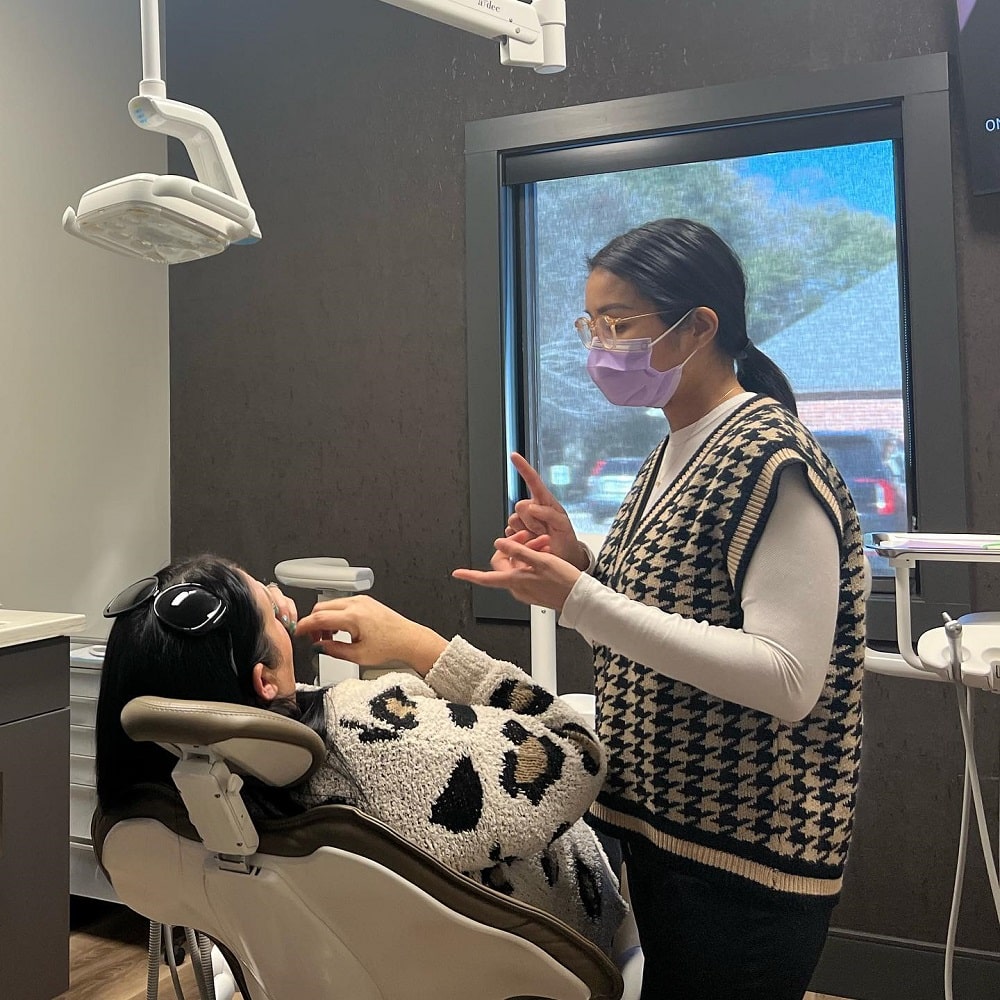
- Tell us first: when we know you are anxious, we slow down and explain each step before it happens.
- Agree on a signal: raising a hand to pause hands control back to you.
- Take breaks: nothing says treatment has to happen in one long rush.
- Bring a distraction: headphones and your own playlist quiet the sounds that trigger fear.
- Start small: a simple exam or cleaning rebuilds trust before any bigger work.
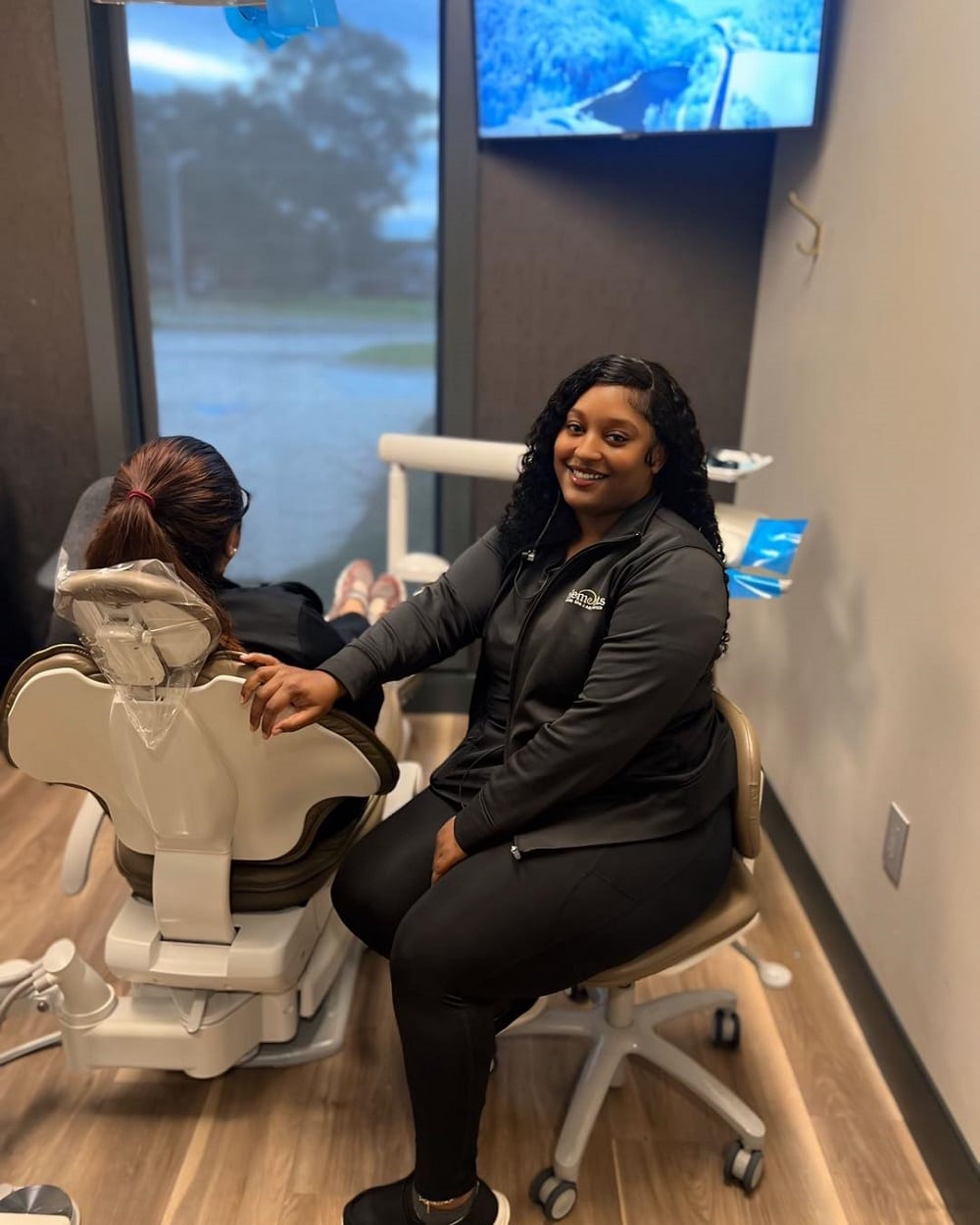
Our practice was designed to feel calmer than a typical clinic, which is part of why even routine general dentistry in Baton Rouge feels less clinical with us. Pairing a comfortable setting with the right sedation option is what finally makes consistent care possible for people who have put it off for years.
Taking the First Step Toward Comfortable Dental Care in Baton Rouge
The approach you choose for your fear is what decides whether you actually follow through, and steady dental visits are one of the clearest predictors of long-term oral health. Removing the fear keeps you in the chair long enough to protect your teeth.
At Elements Dental Spa & Aesthetics, we have helped patients of every age, including children, go from dreading the dentist to simply keeping their appointments. Whatever has kept you away, there is a comfortable way back.
Call us today at (225) 398-8812 to schedule a sedation dentistry consultation and take that first step at your own pace.
Frequently Asked Questions
Intense fear of the dentist is known as dental phobia or odontophobia. It is common and treatable, and it is nothing to feel embarrassed about. A census-matched 2025 study in the Journal of the American Dental Association found that nearly 73% of U.S. adults report some level of dental fear.
Yes. Nitrous oxide, oral sedation, and IV sedation are well-established methods that are considered safe when administered by a trained dental professional after a pre-treatment health screening. We monitor you throughout the procedure and adjust the sedation as needed.
No. All three options we use are forms of conscious sedation, which means you keep breathing on your own and can respond to us during treatment. Full unconsciousness only comes from general anesthesia, which is not used in standard dental offices.
Sedation does not erase anxiety, but it makes treatment possible and helps build calmer, more positive experiences over time. Many patients find that a few comfortable visits gradually lower the fear they first walked in with.
It depends on how strong your fear is and how involved the treatment is. Mild nerves often respond to nitrous oxide, moderate anxiety to oral sedation, and severe fear or complex care to IV sedation. We help you decide together at your consultation.
Yes. Nitrous oxide is widely used for nervous children and is recognized by the American Academy of Pediatric Dentistry as a safe and effective option. Whether it is the right choice for your child depends on their age, health, and level of anxiety, which we review at a consultation.
For nitrous oxide, no, because it clears within minutes and you can drive yourself. For oral and IV sedation, yes, since the effects last several hours and you should avoid driving for the rest of the day.
You can reach us by phone during office hours or send a message through our contact page, whichever feels easier. Tell us you are anxious, and we will keep that first conversation slow and answer your questions before booking anything.

