

Call Us : (225) 398-8812

 By Elementsdentalspa
  Jun 26, 2026
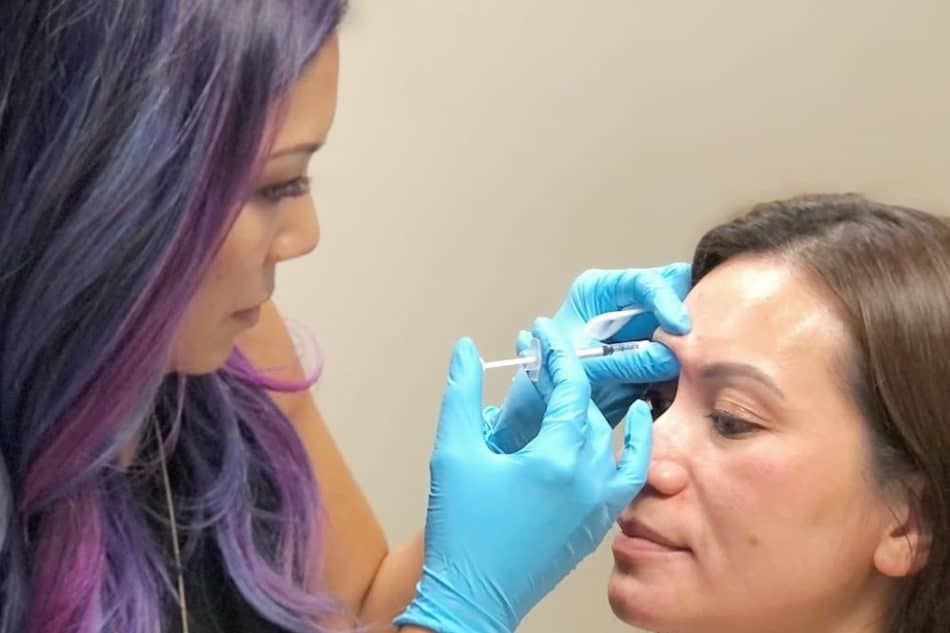
Getting Botox at a Baton Rouge dentist makes sense because dentists spend their careers studying the muscles, nerves, and bone of the face, the same anatomy that guides safe, natural-looking injections. In Louisiana, dentists who complete the required injectable training can administer Botox in their offices, so you get facial-aesthetic care from a provider who already understands how your smile and the muscles around it work together.
Botox has moved well beyond the plastic surgeon’s office, and a growing number of Baton Rouge patients now receive it at the dentist. That shift surprises some people, but it follows a simple logic about who knows the face best.
Dentists train for years on the head and neck, including the muscles that move your jaw, lips, and cheeks. The same expertise that places an implant or shapes a veneer also maps the exact muscles a careful Botox injection targets.
At Elements Dental Spa & Aesthetics, Dr. Luong pairs that deep anatomical training with hands-on Botox and Dysport experience that complements the smile work we already do.
Contact us today to ask whether treatment fits your goals.
What Makes a Dentist Qualified to Administer Botox?
A dentist’s qualification for Botox rests on two things: years of facial-anatomy education and additional injectable training required by the state. Both matter, because safe injections depend on knowing exactly what sits beneath the skin.
Years of head and neck anatomy training
Dental school devotes hundreds of hours to the anatomy of the head, neck, and face. Dentists learn the muscles of expression and mastication, the nerve pathways, and the blood supply in fine detail, because every numbing injection and surgical procedure depends on it. That foundation is the same map a Botox provider uses to place product precisely.
State-required injectable certification
In Louisiana, administering Botox is not automatic with a dental license. Providers must complete dedicated training that covers facial anatomy, injection technique, patient evaluation, and how to manage any adverse reaction. We treat that certification as a floor, not a finish line.
The muscles dentists already work around
The muscles a cosmetic injector targets for frown lines and crow’s feet sit right beside the ones we manage during routine dental care. We already work daily around the masseter, the orbicularis oris, and the muscles that frame your smile. Familiarity with that exact region supports careful, conservative dosing.
In-office medical safety standards
Botox and dermal fillers in Louisiana may only be administered in a clinical office that follows CDC universal precautions. A dental practice is already built around sterile technique, medical histories, and emergency preparedness. That existing infrastructure carries directly into safe aesthetic care. You are receiving a medical procedure in a medical setting, not a quick add-on at a counter, and that distinction protects you.
How Does Botox Actually Work?
Botox is a purified form of botulinum toxin type A, used in very small, controlled doses. Understanding the mechanism helps explain why a steady, anatomically trained hand matters so much.

When injected into a specific muscle, Botox blocks the release of acetylcholine, the chemical signal that tells that muscle to contract. The targeted muscle relaxes, and the skin above it smooths out as repeated creasing eases. Nearby muscles that were not injected keep working normally, which is why precise placement is everything.
The effect is gradual and temporary. Most patients notice changes within a few days, with the full result developing over about two weeks. Results generally last three to four months before the muscle activity slowly returns, and individual results vary from person to person.
Dose and placement are what separate a natural result from an overdone one. The goal is to soften specific movement while leaving your natural expression intact, which takes restraint and an accurate read of the underlying muscle. This is exactly where deep anatomical training earns its value, because a small difference in depth or position changes the outcome.
What Can Botox Treat at a Dental Spa?
Botox at a dental spa covers both cosmetic and bite-related concerns, which is part of why the dental setting fits so well. Some uses carry formal FDA cosmetic approval, while others are well-established treatments a trained provider performs.
FDA-approved facial lines
The cosmetic uses most people picture are FDA-approved. Botox Cosmetic is cleared to soften frown lines between the brows, horizontal forehead lines, and crow’s feet at the corners of the eyes. These upper-face areas are the classic starting point for first-time patients.
TMJ tension and teeth grinding
Many patients carry tension in the masseter, the large muscle that clenches the jaw. Carefully placed Botox can ease that overactivity, which providers use to help with jaw soreness and the effects of grinding. We coordinate this with your TMJ disorder treatment so the aesthetic and the bite goals work together.
Gummy smile balance
When a smile shows a wide band of gum tissue, an overactive upper-lip muscle is often the cause. A small, precise dose can relax that muscle so the lip rests slightly lower, balancing the smile. This is a detail a smile-focused provider is well positioned to assess.
Facial harmony with smile work
Cosmetic dentistry changes the frame of your face, and the muscles around the mouth shape how that frame reads. Treating both together lets us look at your smile and the surrounding expression as one picture. That combined view is difficult to get when your dental work and your aesthetics live in two separate offices.
Is Botox the Same as Dermal Fillers?
Botox and dermal fillers are often grouped together, but they do two different jobs. Knowing the difference helps you understand which one a Botox treatment at a Baton Rouge dentist actually addresses.
Botox relaxes a muscle so the skin above it stops creasing, which is why it works best on lines caused by repeated movement, such as frown lines and crow’s feet. Dermal fillers instead add volume beneath the skin to plump areas that have lost fullness, like deeper smile folds or thin lips. One softens motion, the other restores shape, and many patients eventually use both for different concerns.
| Feature | Botox | Dermal Fillers |
|---|---|---|
| How it works | Relaxes targeted muscles | Adds volume under the skin |
| Best for | Movement lines and muscle tension | Volume loss and folds |
| Typical duration | About three to four months | Varies by product, often longer |
Because both treatments hinge on a precise read of facial structure, the anatomical training behind the needle matters either way. A provider who maps your muscles and bone can advise which approach, or which combination, actually fits the concern you walked in with. We talk through that choice before anything is planned, and we coordinate it with your dermal filler options when fuller shaping is the better answer.
Why Choose a Dentist Over Another Provider for Botox?
Choosing a dentist for Botox is less about the product and more about the eyes guiding the needle. The vial is the same; the anatomical judgment behind each injection is not.
A dentist evaluates your face the way a structural expert reads a building, starting with the bone and muscle underneath. That perspective helps when the goal is a natural, balanced result rather than a frozen look. It also helps catch when a concern is better solved by dental work than by an injection.
There is a practical convenience, too. Receiving aesthetic care in the same office that knows your dental history keeps everything coordinated and comfortable. For patients who already trust us with their smile, adding Botox to a familiar visit removes the friction of finding and vetting a separate provider.
This matters most when a concern sits at the border of dental and aesthetic. Jaw tension, a gummy smile, and the lines that frame your mouth all connect to structures we manage every day. Having one provider see the full picture helps the treatment plan stay consistent instead of being split across offices that never compare notes.
What Should You Expect at Your First Botox Visit?
A first Botox visit at a dental spa is calm and unhurried, built around assessment before any product is used. Knowing the flow ahead of time makes the appointment feel routine rather than intimidating.
The consultation and facial assessment
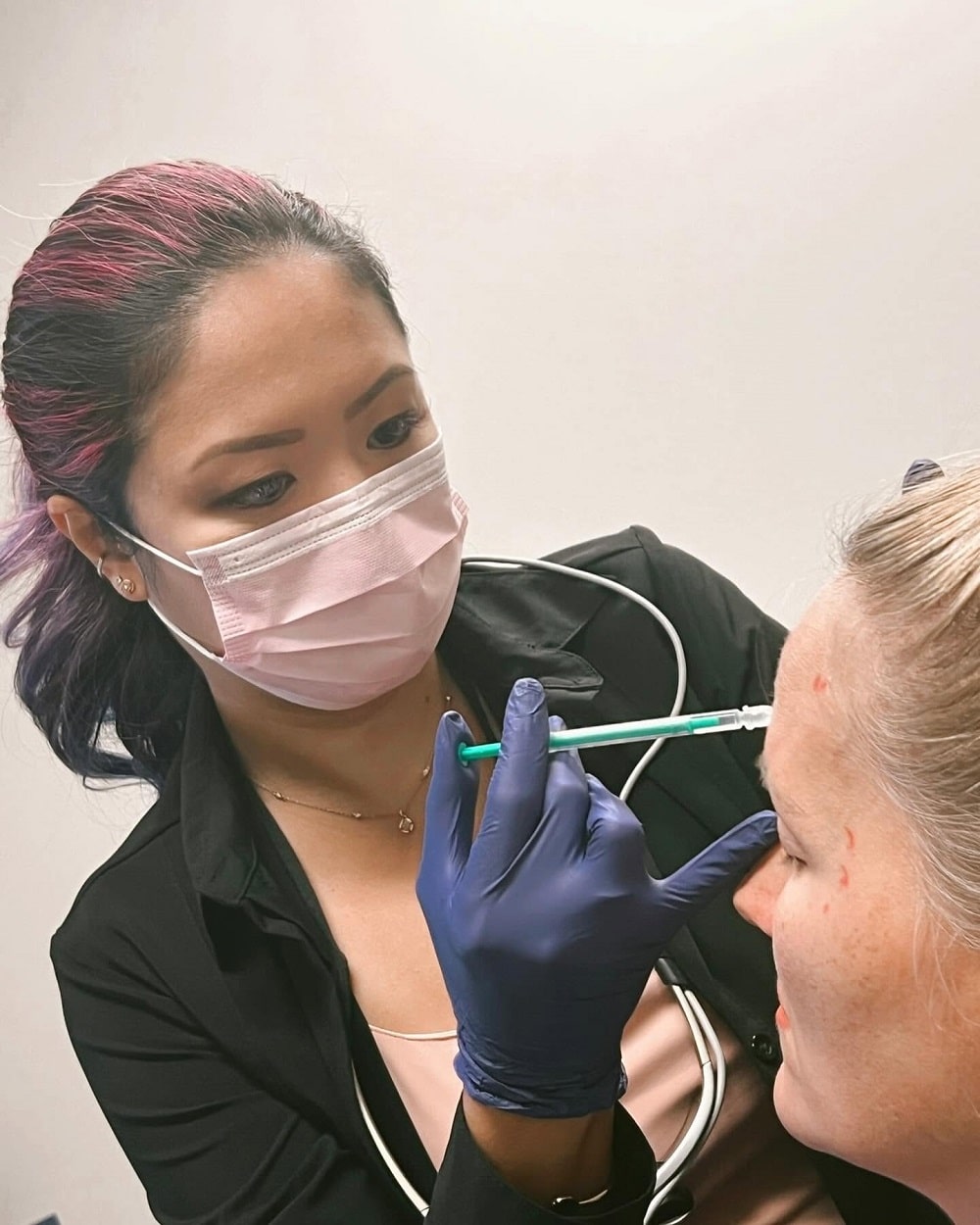 Every visit starts with a conversation about your goals and a review of your medical history. The provider studies how your muscles move when you frown, raise your brows, and smile, because expression in motion guides where product should and should not go. Nothing is injected until that map is clear.
The treatment itself
The injections take only a few minutes once the plan is set. A series of small, shallow injections is placed into the targeted muscles using a very fine needle, and most patients describe little more than a quick pinch. There is no numbing or downtime required for a standard session.
Aftercare and what to avoid
Aftercare is simple but worth following closely. For the first several hours, you avoid rubbing the treated areas, strenuous exercise, and lying flat, so the product settles where it was placed. These small steps help protect a precise result.
When you will see results
Patience is part of the process, because Botox works gradually. You may notice softening within a few days, with the full effect developing over about two weeks. We often schedule a brief follow-up so we can review how the result settled and fine-tune your plan for next time.
Where Patients Should Start
The case for Botox at the dentist comes down to expertise you can see and a setting you already trust. A provider trained in facial anatomy, certified for injectables, and focused on how your smile and expression work together is well suited to deliver natural results safely.
At Elements Dental Spa & Aesthetics, we believe the best first step is a conversation, not a commitment, so you can ask questions and learn what fits your face and goals. Call us today to schedule a consultation and find out whether Botox at our Baton Rouge dental spa is right for you.
Medical Disclaimer: This article is for general informational purposes only and is not medical or dental advice. Botox and other injectable treatments carry individual risks, and results vary from patient to patient. A consultation with a licensed provider is required to determine whether any treatment is appropriate for you.
Frequently Asked Questions
Yes, when the dentist is trained and certified for injectables. Dentists complete extensive head and neck anatomy education, and Louisiana requires additional Botox training before administration. Treatment must take place in a clinical office following standard medical precautions, which a dental practice is already equipped to provide.
Yes. Louisiana allows licensed dentists to administer Botox and dermal fillers within their scope of practice once they complete the required training in facial anatomy, injection technique, and adverse-reaction management. The treatment must be performed in a dental office, and dental assistants are not permitted to inject.
Dentists already specialize in the muscles, nerves, and structures of the face, so injectables are a natural extension of that expertise. Botox also addresses dental-related concerns such as jaw tension from grinding and a gummy smile, letting one trained provider coordinate both aesthetic and bite-related goals.
Most patients describe only a brief pinch. The needles used for Botox are very fine, and the injections are quick and shallow into the muscle. Dentists are highly experienced at comfortable injections, which many patients find reassuring compared with a less familiar setting.
Botox results generally last three to four months. The effect builds gradually over about two weeks after treatment, then slowly fades as normal muscle activity returns. Many patients schedule maintenance visits a few times a year to keep their results consistent, and individual timing varies.
A trained dentist can treat the FDA-approved cosmetic areas, including frown lines, forehead lines, and crow’s feet. Dentists also use Botox to ease jaw tension linked to clenching and grinding and to help balance a gummy smile, drawing on their detailed knowledge of facial muscles.
Cost depends on the number of treatment areas and units used rather than the type of provider. The value of seeing a dentist comes from facial-anatomy expertise and the convenience of coordinated care in one trusted office. We review your goals and explain what your plan involves before any treatment begins.
The best way is a consultation where a provider examines your facial muscles, reviews your medical history, and discusses your goals. Botox suits patients looking to soften expression lines or ease muscle-related concerns, but it is not right for everyone. A trained provider will tell you honestly whether it fits.

