Call Us : (225) 398-8812


 By Elementsdentalspa
  Jul 13, 2026
Botox and dermal fillers solve two different problems. Botox relaxes the muscles that create movement wrinkles like frown lines, forehead lines, and crow’s feet, and it lasts about three to four months. Dermal fillers add volume to restore plumpness, smooth deeper static lines, and enhance features like lips and cheeks, and they last roughly six to eighteen months depending on the product. Many patients use both together because each does something the other cannot.
When patients in Baton Rouge weigh Botox vs. dermal fillers, they are usually comparing the two most popular injectable treatments, which are easy to confuse for one another. Both involve a needle and the promise of smoother skin, but they work in completely different ways.
Choosing between them starts with understanding what is actually causing the lines you want to address. The right answer depends on whether the issue is muscle movement or lost volume.
At Elements Dental Spa & Aesthetics, we assess your face and goals before recommending either, so your treatment matches the problem. Contact us today to book a consultation and find your best fit.
What Is the Difference Between Botox and Dermal Fillers?
The core difference is simple: Botox relaxes muscles, while fillers restore volume. That single distinction explains almost everything about which treatment suits which concern.
Botox relaxes overactive muscles
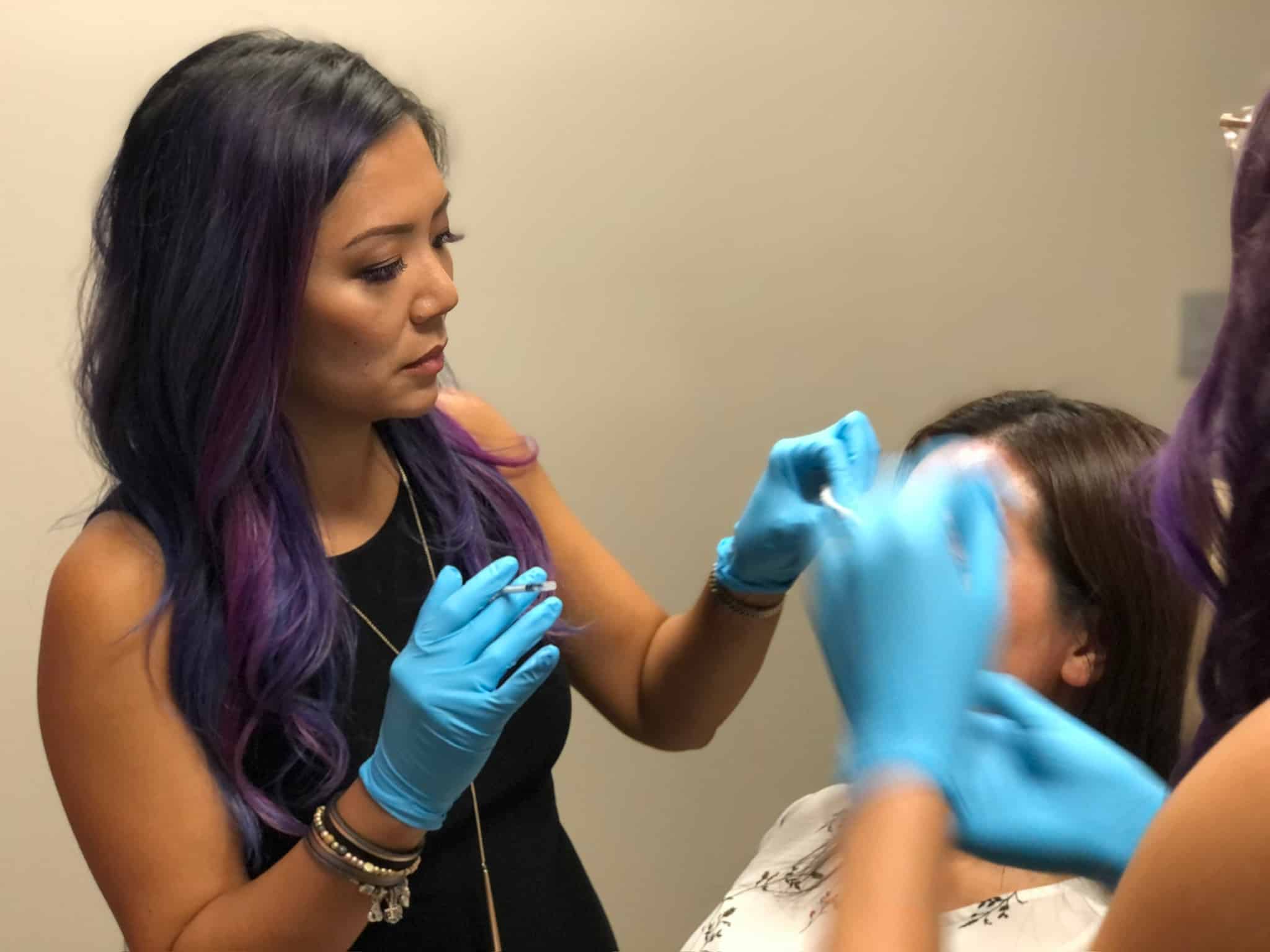 Botox is a muscle relaxer made from purified botulinum toxin. Injected in small doses, it softens the muscle contractions that crease the skin during expressions. Less movement means smoother skin over the treated area.
Fillers replace lost volume
Dermal fillers, most often made from hyaluronic acid, add volume beneath the skin. They physically fill and lift, smoothing deeper folds and restoring plumpness that fades with age. The effect is structural rather than muscular.
Different problems, different tools
Because they work differently, they target different lines. Botox handles movement wrinkles in the upper face, while fillers address volume loss and static lines that are present even when your face is at rest. Knowing which you have points to the right treatment.
How each treatment feels
Both use fine needles and take only minutes. Botox involves a few quick injections with no downtime, while fillers may include a numbing step for comfort since more product is placed. Most patients return to their day right after either one.
Which Lines Does Botox Treat Best?
 Botox is the gold standard for the upper face, where muscle movement drives most wrinkles. These are the lines that deepen when you make expressions and ease when your face relaxes.
The classic Botox areas are FDA-approved for cosmetic use. They include the frown lines between the brows, the horizontal lines across the forehead, and the crow’s feet at the outer corners of the eyes. Softening the muscles in these zones smooths the skin above them.
Botox is less useful for lines caused by lost volume rather than movement. Deep folds around the mouth or hollow cheeks usually need filler, not a muscle relaxer. Matching the cause to the treatment is what produces a natural result.
What Can Dermal Fillers Do That Botox Cannot?
Fillers add or restore volume, which opens up a range of corrections Botox simply cannot make. They rebuild structure and contour rather than relaxing movement.
Restore cheek volume
As we age, the cheeks lose fat and can look flat or hollow. Filler placed strategically restores that lift, which also softens the lines below it. Adding volume here often refreshes the whole face.
Soften smile and nasolabial lines
The folds running from the nose to the corners of the mouth are largely a volume issue. Filler smooths these static lines that remain visible even at rest. Botox cannot address them effectively because they are not movement-driven.
Enhance the lips
Fillers are the go-to for adding shape and fullness to the lips. They can balance asymmetry, define the border, and smooth the fine lines around the mouth. The amount is tailored to the look you want, from subtle to fuller.
Smooth deeper static lines
Lines etched into the skin over years often need volume to fill them from beneath. Filler addresses these settled creases that no longer respond to muscle relaxation alone. The result is a smoother surface that looks natural in motion.
How Long Does Each Treatment Last?
Longevity is one of the biggest practical differences between the two. It also shapes how often you return for maintenance.
Botox results generally last about three to four months. The effect builds over roughly two weeks, then gradually fades as muscle activity returns, so most patients schedule treatment a few times a year. Consistency tends to keep results looking their best.
Dermal fillers last considerably longer, generally six to eighteen months depending on the product, the area treated, and your metabolism. Lip filler often fades faster than filler placed in the cheeks. Your provider can recommend a product matched to how long you want the result to hold.
What Should You Expect Before and After Treatment?