Botox for TMJ & Grinding Baton Rouge | Elements Dental Spa
View Specials!
Default Image
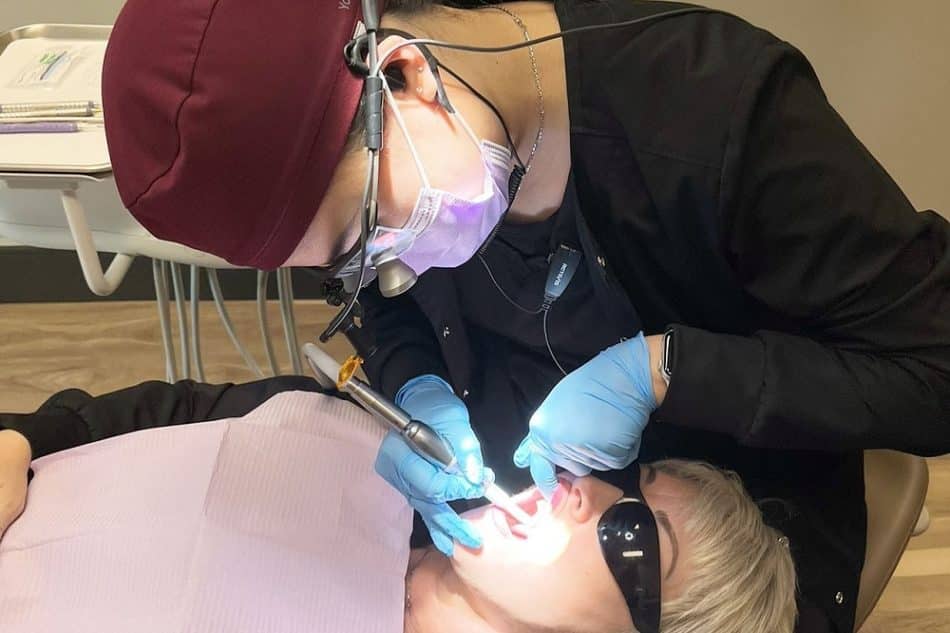
A dentist wearing gloves and a face mask examines a patient

Botox for TMJ and Teeth Grinding in Baton Rouge

Botox for TMJ and teeth grinding works by relaxing the masseter, the large muscle that closes and clenches your jaw. A small, carefully placed dose reduces the force of clenching and grinding, which eases jaw soreness, tension headaches, and pressure on your teeth. The effect is temporary, lasting around three to four months, and it is used as part of a wider plan rather than a cure for TMJ.


If you wake up with a sore jaw, tight temples, or a dull headache, an overworked jaw muscle may be the cause. Grinding and clenching often happen during sleep, so many people never realize how hard their jaw is working.

That constant pressure wears on your teeth and strains the joint, and a nightguard alone does not always calm the muscle behind it. This is where masseter Botox has become a useful option for the right patients.

At Elements Dental Spa & Aesthetics, we treat jaw tension where the smile and the muscles meet, combining injectable care with our TMJ disorder treatment. 

Contact us today to find out whether your jaw pain could respond to treatment.

Signs Your Jaw Tension Is From Grinding

Grinding, known clinically as bruxism, often goes unnoticed because it happens during sleep. The clues show up in your teeth, your muscles, and how you feel in the morning.

Morning jaw soreness and headaches

Waking with a tight, tired jaw or a dull headache around the temples is one of the most common signs. The masseter has been clenching for hours overnight, so it feels overworked at dawn. Many patients assume the headache is unrelated until the jaw connection is pointed out.

Worn, flattened, or chipped teeth

Years of grinding slowly flatten the chewing surfaces and can chip enamel or fracture older fillings. We often spot this wear pattern during routine exams before the patient notices it. The damage is gradual, which is what makes it easy to miss.

A tight or clicking jaw

A jaw that feels stiff, tires while chewing, or clicks when you open wide can signal strain on the joint and surrounding muscle. Clenching keeps these structures under near-constant load. Over time, that tension becomes the new normal until it starts to hurt.

A partner who hears the grinding

Sometimes the first report comes from a partner who hears the grinding at night. That sound is the masseter working at full force against your teeth. It is a strong sign that the muscle, not just the teeth, needs attention.

How Botox Calms an Overactive Jaw Muscle
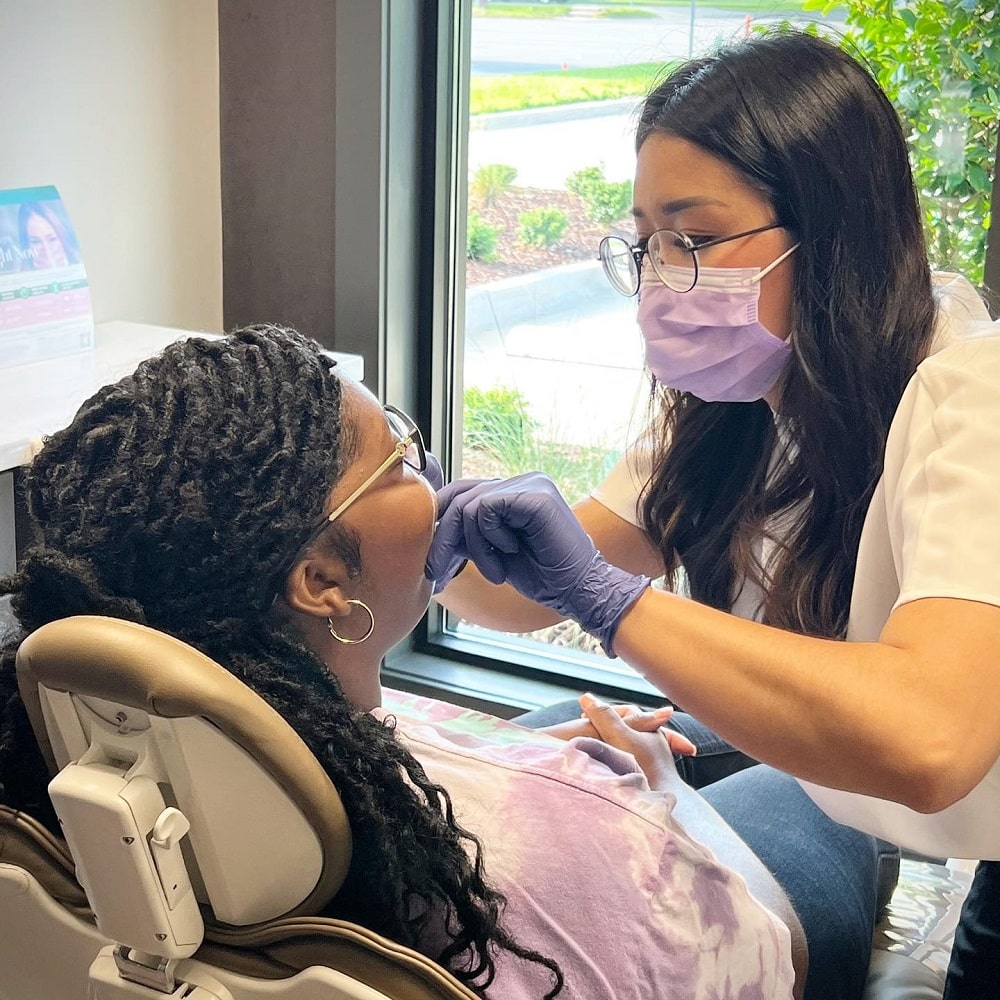
A dentist wearing gloves and a mask examines a patient's mouth in a dental office. The patient is seated in a dental chair near a window.Botox addresses grinding at its source, the muscle, rather than only shielding the teeth from it. A small dose is injected into the masseter on each side of the jaw.

The injection partially relaxes the muscle by reducing the nerve signals that drive it to contract. With less clenching force, the jaw rests more, the soreness eases, and the teeth take less pounding overnight. The muscle still works normally for chewing and speaking, just with less excessive tension.

It is worth being clear about the status of this use. Treating bruxism and TMJ tension with Botox is considered off-label in the United States, meaning it is a well-studied use that providers perform but that is not a formal FDA approval for this purpose. Results build over about two weeks, last roughly three to four months, and vary from person to person.

Placement is what makes this work safely. The masseter is a thick, powerful muscle, and the dose has to relax the clenching fibers without weakening normal chewing or affecting nearby muscles. Reading that anatomy accurately is exactly the kind of judgment a dentist trains for, which is one reason jaw-focused Botox fits naturally in a dental setting.

What Daily Grinding Does to Your Teeth and Jaw

Untreated grinding is not just uncomfortable, it is expensive over time. The same force that tires your muscles steadily damages your teeth and the work we do to restore them.

Cracked teeth and broken restorations

Repeated heavy force can crack healthy teeth and break crowns, veneers, or fillings. Protecting that investment is a major reason patients seek treatment. A cracked tooth often costs far more to fix than preventing the grinding would have.

Accelerated enamel wear

Grinding wears enamel faster than normal use ever would, which can make teeth look shorter and more sensitive. Lost enamel does not grow back. Slowing the wear early preserves both function and appearance.

Chronic headaches and facial pain

The masseter connects into a network of muscles that can refer pain into the temples, ears, and face. Easing that muscle often reduces the headaches that come with it. Many patients are surprised how much daily discomfort traces back to the jaw.

Disrupted, lower-quality sleep

Active grinding can fragment sleep for both you and a partner. Calmer jaw muscles overnight often means more restful sleep. Better rest, in turn, can reduce the stress that feeds grinding in the first place.

Botox Compared With Other Grinding Treatments

Botox is one tool among several, and the best plan often combines a few. The table below shows how the common options compare so you can see where injectable treatment fits.

Treatment How It Helps Best For
Custom nightguard Shields teeth from the force of grinding Protecting enamel and restorations
Masseter Botox Reduces the muscle’s clenching force Easing jaw soreness and muscle tension
TMJ therapy Addresses joint mechanics and habits Joint pain and limited movement
Stress and habit support Targets a common underlying trigger Daytime clenching tied to stress


A nightguard protects teeth while Botox calms the muscle, so the two often work well together. We use Botox and Dysport as one part of a plan matched to what is actually driving your symptoms. The right combination depends on whether your main issue is tooth wear, muscle pain, or joint trouble.

What to Expect During and After Treatment

For most people, the appointment itself is quick and low-stress. Knowing the rhythm ahead of time makes the whole process feel routine rather than intimidating.

The appointment and the injections

dental serviceAfter we confirm masseter Botox is a good fit, the injections take only a few minutes per side. We have you clench so the masseter stands out, then place a small dose into the thick part of the muscle. Most patients describe it as a brief pinch rather than real pain, and no numbing is usually needed.

The first two weeks

Botox does not work instantly. The muscle relaxes gradually over roughly two weeks as the dose takes full effect, so do not judge results on day one. Clinical studies on masseter Botox report meaningful drops in bite force and jaw pain by about the four-week mark, which lines up with what patients tell us.

Simple aftercare

Aftercare is light. We generally suggest staying upright for a few hours, skipping hard workouts and saunas that day, and avoiding heavy pressure or massage on the jaw so the dose stays where we placed it. Mild tenderness or a small bruise at an injection site can happen and usually fades within a few days.

Possible side effects to know

Side effects tend to be minor and temporary. Some patients notice mild jaw tiredness with very hard or chewy foods early on, which settles as they adjust. Less common effects, such as brief uneven smiling, are linked to dose spreading beyond the masseter, which careful placement is meant to prevent.

Why a Dentist Makes Sense for Jaw Botox

Masseter Botox sits at the exact crossing point of dentistry and aesthetics, which is why where you have it done matters as much as the injection itself. The masseter is a chewing muscle, and the symptoms it causes show up on your teeth.

A dentist works with the jaw, the bite, and the surrounding muscles every day, so reading that anatomy and choosing safe placement is familiar ground rather than a stretch. That same exam can catch the tooth wear, cracked restorations, and bite problems that pure aesthetic providers are not looking for. 

When the muscle and the teeth are assessed together, the plan tends to address the cause and the damage instead of only the symptom you walked in with.

Who Is a Good Candidate for Jaw Botox?

Botox for grinding helps a specific kind of patient most, so a careful evaluation matters before treatment. The goal is to match the tool to the actual problem rather than apply it to every sore jaw.

The strongest candidates tend to be people whose main issue is muscle tension and clenching force. If you wake with a tired, aching jaw, get frequent tension headaches, or have a partner who hears grinding, the masseter is likely overworking. Patients who already wear a nightguard but still feel muscle soreness often benefit from adding Botox to calm the muscle the guard cannot reach.

Botox is a weaker fit when the dominant problem is inside the joint itself rather than the muscle. Significant joint damage, locking, or arthritis usually needs a broader treatment plan, and injections alone will not resolve it. That is why we examine the joint, the muscles, and your tooth wear together before recommending anything.

The honest answer for some patients is that a nightguard, stress management, or joint-focused therapy should come first. We would rather tell you that than sell a treatment that does not fit. A short evaluation is the only reliable way to know where you land.

Finding Relief from Jaw Tension in Baton Rouge

Persistent jaw soreness, morning headaches, and worn teeth are signals worth acting on rather than living with. Treating the muscle that drives grinding can protect your smile and ease daily discomfort at the same time. 

Because we see both the muscle and the tooth wear in one place at Elements Dental Spa & Aesthetics, we can build a plan that addresses the cause and the damage together.

The first step is an exam to confirm what is causing your symptoms and whether masseter Botox is a good fit for you. Call us today to schedule a jaw-tension evaluation at our Baton Rouge dental spa.


Medical Disclaimer: This article is for general informational purposes only and is not medical or dental advice. Using Botox for TMJ and bruxism is an off-label treatment that carries individual risks, and results vary from patient to patient. A consultation with a licensed provider is required to determine whether any treatment is appropriate for you.


Frequently Asked Questions

For many patients, yes. Botox injected into the masseter reduces the muscle’s clenching force, which can ease jaw soreness, tension headaches, and pressure on the teeth. Clinical studies report lower pain and reduced bite force, though it is an off-label use and results vary from person to person.

Botox for jaw tension typically lasts about three to four months. The effect develops over roughly two weeks, then gradually fades as muscle activity returns. Many patients repeat treatment a few times a year, often alongside a nightguard, to keep symptoms under control.

No. Using Botox for bruxism and TMJ-related muscle tension is considered off-label in the United States. That means it is a well-studied use performed by trained providers, but it does not carry a specific FDA approval for this purpose. A consultation helps determine if it is appropriate for you.

It can, and for some patients that is a welcome effect. Relaxing a large, overdeveloped masseter may slim a square jawline slightly over time. Dosing is planned around your goals so chewing stays normal and any change to facial shape is intentional.

Yes. The dose is calculated to reduce excessive clenching while leaving enough strength for normal eating and speaking. Some patients notice mild tiredness in the jaw with very hard foods for a short period, which settles as they adjust.

Not usually. A nightguard shields the teeth from contact, while Botox lowers the muscle force behind grinding, so the two address different parts of the problem. Many patients get the best results using both together rather than choosing one.

Most patients feel the jaw start to relax within one to two weeks as the Botox takes full effect. Soreness and headache frequency often ease over that period. Because everyone responds differently, we review your progress and adjust future treatment as needed.

When performed by a trained provider, masseter Botox has a strong safety record. Knowing the precise location and depth of the jaw muscle matters, which is why facial-anatomy expertise is valuable. We review your health history and discuss any risks before treatment begins.